 爪機版
爪機版 灵龙玲瓏,梦龙矇矓
#22751 西方龍解剖略圖(兩張)翻譯,100%完成。 » 2013-05-03 04:51:45
回应:
畫家也有註釋︰
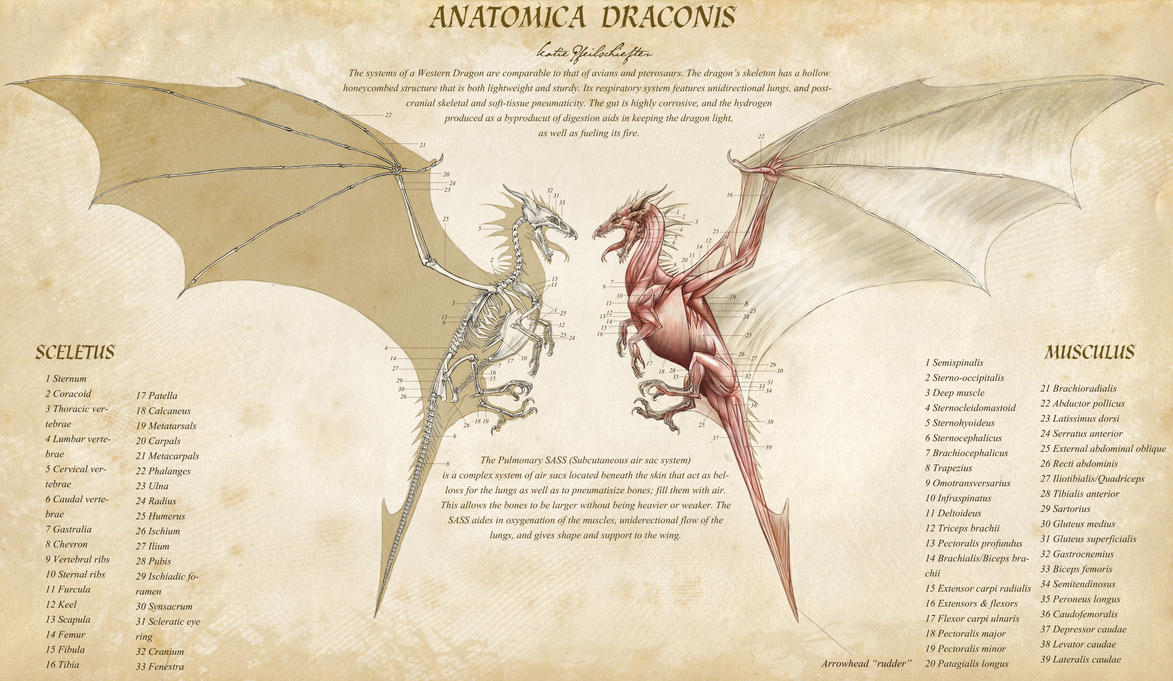
Some of this may be quoting John Conway's pterosaur research: The Pulmonary SASS (Subcutaneous air sac system) are a complex system of air sacs located beneath the skin that act as bellows for the lungs as well as to pneumatisize bones -filling them with air, meaning the bones can be bigger without being heavier or weaker. To be specific, they have post-cranial skeletal and soft-tissue pneumaticity; meaning there are hexagonal (honeycomb structured) spaces and pneumatic foramina filled with air within the bone and some tissue. The pneumatisation in the wings perhaps being fueled by the SASS. The air sacs may have have played a structural role in holding wing shape and posture, as they do in some birds. This feature aids in the oxygenation of the muscles, and unidirectional flow of oxygen in the lungs. Their large lungs, coupled with their efficiency of exacting oxygen from the air serve to support their size and powerful flight muscles. The SASS would also allow the animal to control the mechanical properties of the wing, perhaps even allowing the inflation to be used in display as it does in some birds.
Also from pterosaurs- the top layer of the wing is the actinofibrils, which help give shape and support to the wing.
About necks ((Knut Schmidt-Nielsen's “How animals work”, page 49 (1972))-
Long necks developed in dragons as well as in some birds and pterosaurs to allow ease of breath. Most dragons had long to mid-length wings for efficient flight and powerful downward thrust, but low wing beat frequency. And as wing-beat frequency determines respiratory frequency, this calls for bigger longer breaths, so a longer trachea and therefore longer neck is required to breath deeply without hyperventilating in flight. This creates the right dead space to tidal volume proportion to create the correct mixture of dead space air and fresh air upon inhalation and co2 concentration. Smaller dragons with shorter wings, higher wing beat frequency and shorter breath do not require this, and so have shorter necks. Long necks also come in handy for creatures with stiff backs/Vertebrae, they develop a long neck in order to get a better look around. Flying creatures are always very stiff, as too much flexibility in flight creates drag and makes it harder to support weight. This is observable in birds, who all have long necks. Even the small song birds necks are secretly proportionally long, their length is just hidden beneath feathers. When it comes to the larger birds, like herons and vultures, the necks are even longer.
About Spines/Spikes: I see a lot of anatomical dragon sheets in which the spikes are made of bone, aka extremely long spinous processes. This could work for terrestrial creatures, but for flying animals its additional and unessential weight. The spikey bones have the potential to provide a very easy way for the animal to injure itself and more specifically its spine. Not to mention greatly reducing flexibility, (though this doesn't matter too much as a flying creature would be stiff backed to begin with). Spikes found on reptiles today are made of flesh and scale, a good example being the Thorny Devil. This lizard when calm can be very soft, but is able to make its spikes rigid and sharp when threatened. This is the kind of spike I'd imagine a dragon utilizing.
Tail muscles --
The most important muscle in the tail for dragons as well as dinosaurs and crocodiles is the Caudofemoralis. As this illustration shows only the surface musculature, the caudofemoralis which is a deep muscle doesn't show up much. But it's one of the largest muscles in the dragons body, as it affects the abduction of the hindlegs. The bigger the caudofemoralis, the faster the dragon/dino. Birds whose main source of locomotion is flying, and don't spend as much time moving on the ground as dragons do have short tails and small caudofemoralis.
最后修改: Enedina (2013-05-03 21:19:29)
有 1 位朋友喜欢这篇文章:龍爪翻書
#22752 西方龍解剖略圖(兩張)翻譯,100%完成。 » 2013-05-03 01:14:01
回应:
已經跟原畫家通知了一聲,如果她有興趣和時間的話,應該會來解答一些問題。英文好的龍友可以不妨先提出問題吧。
畫家的 dA 網頁︰ http://katepfeilschiefter.deviantart.com/
最后修改: Enedina (2013-05-03 01:14:41)
#22753 中文裡竟然有這些字! » 2013-05-03 01:10:52

回应:
槑龖!!!
我覺得爪寫輸入有很長的改良空間。。。
寫寫看樓主找到的字!!!
#22754 西方龍解剖略圖(兩張)翻譯,100%完成。 » 2013-05-03 01:05:58
回应:
糟糕。。。中文沒在背,直接英文比較熟。
深層肌肉群呢?橫切片段也應該有吧?骨骼凹槽和稜面也很重要!
頭、尾、腹、背、側各有不同的視點。
很可惜只能略知表象、沒有質量感被顯示出來。
應該說是龍類解剖略圖,不算解剖學。
有 1 位朋友喜欢这篇文章:Enedina
#22755 西方龍解剖略圖(兩張)翻譯,100%完成。 » 2013-05-02 22:51:11
回应:
‘uniderectional flow of the lungs’
使得氣體單向流過肺部(類似於鳥類的皮下氣囊的作用機理)
‘and postcranial skeletal and soft-tissue pneumaticity’
以及(中空的)顱後骨以及輔助呼吸的軟組織(就是氣囊)
OK,感謝關於SASS系統的解釋,以及關於DeepMuscle的文獻,辛苦了。
#22756 我們是否需要一個翻譯專區? » 2013-05-02 22:13:09
回应:
我大約1年100篇
10000相當於...100年! ![[被雷]](/forum/img/smilies/haku/haku-shock.svg)
#22757 西方龍解剖略圖(兩張)翻譯,100%完成。 » 2013-05-02 21:58:42
回应:
4 頭顱
3 Orbital process of the frontal bone—額骨眶突(確認有這個詞,未找到具體位置,應該就是眉毛下面的那個突起。)
5 Saggital crest of the neurocranium—顱脊部(確認有這個詞,未找到具體位置,應該是指腦門頂上的突起)
9 Crested laniary teeth/Carnassials (slicing/crunching)—冠狀犬齒/切裂臼齒(切割/咀嚼)(冠狀犬齒是我根據意思自己杜撰的……原文是表示一種上部是平切口的犬齒)
14 Surangular—上隅骨(位於下顎)
15 Angular—隅骨(同樣位於下顎,位置比上隅骨更加靠下)
16 Lacrimal—淚骨(位於鼻骨的後外側壁,眼眶的內側壁)
19 Temporal—顳骨(位於顱骨兩側,並延至顱底)
22 Mandibular Fenestra—下頜孔(位於下頜骨下頜支內面中央稍偏後上方)
23 Antorbital Fenestra—眶前孔(位於眼睛與鼻孔之間)
24 Orbit—眼窩(這個明顯是對的……)‘Crested laniary teeth’這個找不到,‘冠狀犬齒’是我概括了直譯的意思之後杜撰出來的……
現在還有一個SASS系統完全不知道是什麼意思了。
SASS系統的解釋我放在第9樓。
只剩兩句還沒翻
uniderectional flow of the lungs
and postcranial skeletal and soft-tissue pneumaticity。
關於deep muscles,因為在脖子,加上關鍵字:"頸",查到以下資料
http://www.pt.org.tw/pt_news_detail.php?Bid=8&Id=147
Deep (Local) Muscles v.s. Superficial (Global) Muscles (深肌 對 淺肌)
Bergmark(1989)12提出脊椎的穩定主要是由廣泛肌肉(Global)群和小肌肉(Local)群相互協調來維持。Global muscles一般即是我們所指的淺層肌群(superficial muscles);而local muscles指的是深層肌群(deep muscles)。而當僅有superficial muscles的動作而沒有deep muscles相互配合來穩定脊椎時,superficial muscles的收縮只會移動頭顱而導致脊椎跨掉(Winters and Peles, 1990)13。
Deep Neck Extensors (深部頸部伸肌)
既然deep muscles是如此的重要,那它主要的功能是什麼呢?而疼痛產生時,它產生了什麼變化呢?首先我們先將deep muscles分為兩部份,分別是伸肌和曲肌(deep neck extensors & deep neck flexors)。Deep neck extensors主要由deep suboccipital extensors和multifidus所組成,這些肌肉擁有相當豐富的本體感覺受器(proprioception receptors),尤其是suboccipital extensors所含的密度為人體的第一位。當頸部發生疼痛時,這些肌肉開始萎縮,勢必會造成本體感覺的問題。除此外,包覆肌肉的肌膜並不會縮小,因此肌肉和肌膜之間的腔室便會被脂肪所填塞(Andrey et al, 1998; Hallgren et al, 1994; McPartland et al, 1997)14 15 16。而從超音波(Amiri et al, 20036; 圖二)和核磁共振(Elliott et al, 200817; 圖三)的影像檢查,便可以觀察到肌肉截面積的縮小。
Deep Neck Flexors(深部頸部曲肌)
而由longus colli、longus capitus、rectus capitus anterioris和rectus capitus lateralis所構成的deep neck flexors呢?雖然它沒有像deep neck extensors這麼多的proprioceptors,但它一個相當重要的功能,便是抵抗頭顱的重力和頸部伸肌的收縮,來維持頸椎前曲(lordosis)形態(Vitti, 197318; Winters and Peles, 199013; Conley et al, 199519; Mayhoux-Benhamou et al, 199420; Panjabi et al, 199821)。然而頸部疼痛的個案,他們的deep neck flexors也像deep neck extensors發生了肌肉萎縮的情形嗎?原以為deep neck flexors可以像deep neck extensors一樣,透過超音波和核磁共振等的影像檢查來探測肌肉是否也發生了萎縮的問題,然而因此處的肌肉橫切面積較小,再加上頸部前面有太多肌肉以外的軟組織而使得影像檢查無法精確的判讀。那我們該如何做呢?
最后修改: 龍爪翻書 (2013-05-02 22:04:44)
有 1 位朋友喜欢这篇文章:Skyline
#22758 終於畫完了,龍式p和atd-95,火龍帝國的同志們請過目! » 2013-05-02 21:45:29
回应:
我覺得用鼠式的發動機(2800hp) e100的炮 is4抗彈外形最好…
價格…
#22759 一個結局很有愛的遊戲【Freedom Fall】(公主什麼的最討厭了)PS:三樓有傳送門 » 2013-05-02 21:40:30
回应:
才注意到嘴上有套環……那麼由此可以想見,這麼可愛的小傢伙被邪惡的公主逼迫噴火的時候有多麼痛苦。(從鼻子裡噴傷不起啊!!)
#22760 終於畫完了,龍式p和atd-95,火龍帝國的同志們請過目! » 2013-05-02 21:36:32
回应:
我也是業餘的…
但我已經畫了不少坦克了…
重量不重質…
#22761 西方龍解剖略圖(兩張)翻譯,100%完成。 » 2013-05-02 21:32:58
回应:
4 頭顱
3 Orbital process of the frontal bone—額骨眶突(確認有這個詞,未找到具體位置,應該就是眉毛下面的那個突起。)
5 Saggital crest of the neurocranium—顱脊部(確認有這個詞,未找到具體位置,應該是指腦門頂上的突起)
9 Crested laniary teeth/Carnassials (slicing/crunching)—冠狀犬齒/切裂臼齒(切割/咀嚼)(冠狀犬齒是我根據意思自己杜撰的……原文是表示一種上部是平切口的犬齒)
14 Surangular—上隅骨(位於下顎)
15 Angular—隅骨(同樣位於下顎,位置比上隅骨更加靠下)
16 Lacrimal—淚骨(位於鼻骨的後外側壁,眼眶的內側壁)
19 Temporal—顳骨(位於顱骨兩側,並延至顱底)
22 Mandibular Fenestra—下頜孔(位於下頜骨下頜支內面中央稍偏後上方)
23 Antorbital Fenestra—眶前孔(位於眼睛與鼻孔之間)
24 Orbit—眼窩(這個明顯是對的……)
‘Crested laniary teeth’這個找不到,‘冠狀犬齒’是我概括了直譯的意思之後杜撰出來的……
現在還有一個SASS系統完全不知道是什麼意思了。
有 1 位朋友喜欢这篇文章:龍爪翻書
#22762 西方龍解剖略圖(兩張)翻譯,100%完成。 » 2013-05-02 21:08:24
回应:
完全不懂啊…
#22763 西方龍解剖略圖(兩張)翻譯,100%完成。 » 2013-05-02 18:05:26
回应:
12 Sternal rostrum—胸部吻突(這個根本查不到,可能是龍的專有詞,分開來查,得出了這樣一個奇葩的翻譯……)
我從以下這篇pdf中查到「The rostrum is composed of the group of bones projecting anteriorly from a vertical plane the oral cavity.」
http://www.eebweb.arizona.edu/Courses/Ecol485_585/Readings/Martin/Martin_TheSkull_Ch2.pdf
我也找不到"Sternal rostrum",若把兩個合在一起,翻成胸部吻突很不錯。
最后修改: 龍爪翻書 (2013-05-02 18:15:38)
#22764 一個結局很有愛的遊戲【Freedom Fall】(公主什麼的最討厭了)PS:三樓有傳送門 » 2013-05-02 15:42:47
回应:
把嚼子取下來 +1
我有點在意 :rolleyes:
#22765 我們是否需要一個翻譯專區? » 2013-05-02 15:40:54
#22766 一個結局很有愛的遊戲【Freedom Fall】(公主什麼的最討厭了)PS:三樓有傳送門 » 2013-05-02 15:08:07

回应:
很有愛的樣子…………
#22767 一個結局很有愛的遊戲【Freedom Fall】(公主什麼的最討厭了)PS:三樓有傳送門 » 2013-05-02 13:50:37
回应:
把嘴上的套環取下來吧(龍:我好餓……)
一點點碎碎念。
通關完畢,一路非常驚險而且經常被策劃坑。不過由於製作組足量的良心,可算是不像很多跳台小遊戲一樣讓人抓狂。(爪殘玩起來果然痛苦。)
畫風簡潔有愛,遊戲音樂搭配巧妙,真的是愛不釋手。
非常推薦各位龍友有空玩玩,目測通關下來也就1-3個小時左右,千萬不要錯過。再次感謝天線君的友情傳送門和無私的分享。 ;)
然後是入戲太深中2的一些亂語。。。。。最後一關過關時,當龍戰敗時 公主哭的看起來好像十分傷心。。令我產生公主其實很喜歡這只龍的錯覺。
通關之後,那嘴巴上的套環以及龍尾尖上像是“偷偷”藏起的王冠,也許是我們的主角其實還是很害怕這只灰常可愛的小傢伙(話說你又永生不死,讓龍吃幾口肉會死啊,別這麼小氣啊。)這小傢伙也許會想念一下那位殘暴無情的公主吧。但是殘酷的虐待別人是不對的,公主你也好好反省一下吧,總做這麼慘絶人寰的事實在是…………(一尾打暈拖走……)
最后修改: 沉默の龙 (2013-05-02 22:59:44)
有 2 位朋友喜欢这篇文章:Skyline, shiningdracon
#22768 一個結局很有愛的遊戲【Freedom Fall】(公主什麼的最討厭了)PS:三樓有傳送門 » 2013-05-02 13:17:39
回应:
從故事情節來看,這好像是一個不會死的遊戲....(手殘黨的最愛啊)
#22769 一個結局很有愛的遊戲【Freedom Fall】(公主什麼的最討厭了)PS:三樓有傳送門 » 2013-05-02 11:13:05
回应:
爬不上牆
#22770 終於畫完了,龍式p和atd-95,火龍帝國的同志們請過目! » 2013-05-02 01:47:23
回应:
藍圖
!!!!!
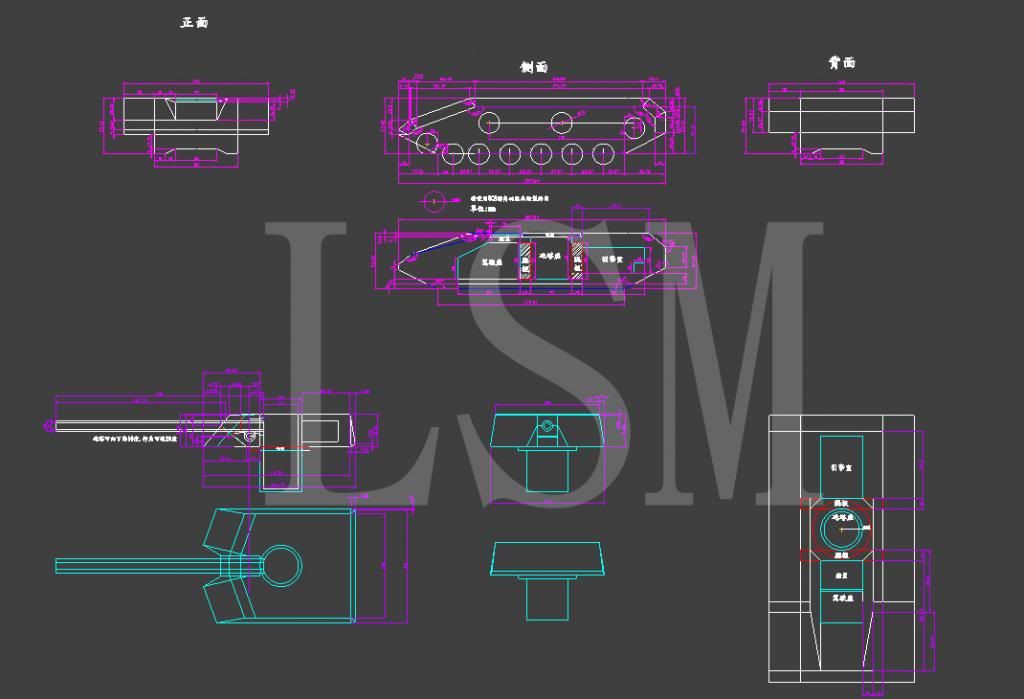
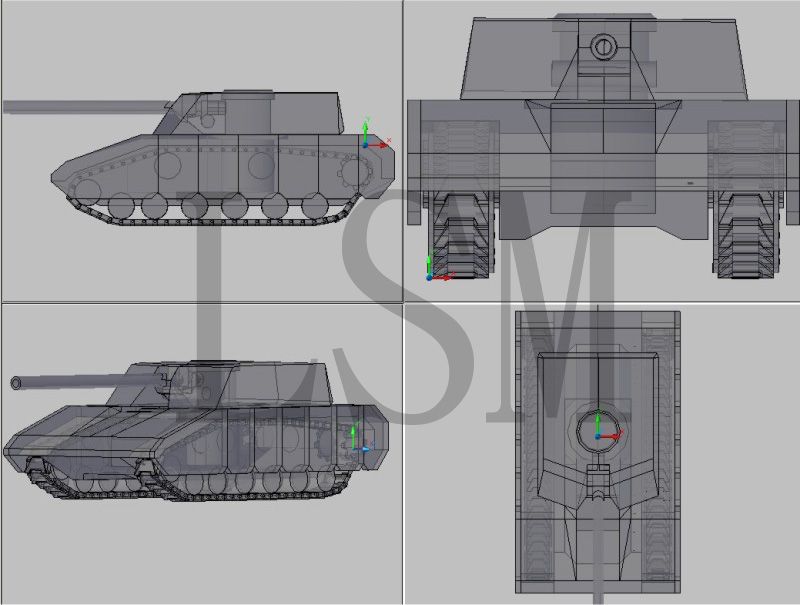
龍式p戰車比較像運兵車,有廣大空間,但是我比較不懂履帶設計,沒有緩衝的機構,這樣駕駛上應該會很顛簸...
車體110.08T的驚人重量與2800HP是真得超威!!完勝渦輪機!!...但想問一下是搭配多大的砲
?
atd-95則是中規中矩.就是二戰當時的設計...該有的都有了~只是如果可以多一點龍體工學或是更流綫的話會更好
一點小小的建議
武器設計務必嚴謹的針對需求還有可行性與實戰經驗作為設計依據,因為最後上場以後,最現實的就是拼輸贏了所以還是要有精確的藍圖與模擬,在未來有機會才能讓夢想實現喔
!!
http://i1219.photobucket.com/albums/dd435/bbbigbbking/85CD57166C345370.jpg
http://i1219.photobucket.com/albums/dd435/bbbigbbking/3D6A2164EC6C345370.jpg
我也提一點點修改的建議:
1:發動機的位置過于靠後,雖然這樣散熱可能會比較好,但是尾部一旦被擊中,生存率堪憂
2:變速箱以及傳動機構沒看到……
3:要在你指定的發動機空間內實現,2800HP不是不可以,例如一台四轉子,總排量為2.4公升,採用了兩組串列式渦輪增壓機組,最大增壓值為2.4bar的引擎,可以很輕鬆的達到接近3200HP的輸出,但是,這類小尺寸,高輸出的引擎一般比較嬌貴,在戰場惡劣的環境下很容易損壞,而且油耗一般非常驚人,那個小油箱可以堅持的時間有點堪憂。
不算建議的建議:
1:油箱前移,改為中置,縮小電台尺寸(你的那個電台尺寸基本上是海軍用的),為油箱騰出空間
2:增大前部裝甲的傾角,乘員採用半躺的駕駛姿勢,降低車身的高度,減少受彈面積。同時炮盾的傾角也應同時加大。
3:發動機中後置,可以採用一台V12,排量為6.0公升的渦輪增壓柴油引擎帶動一台液力分動器,由液力分動器,帶動兩側的變速箱,進而帶動兩個後部驅動輪。或者採用電傳驅動模式,發動機帶動發電機,發電機在帶動電動機,電動機帶動車輪。這樣,不會增加太多的空間需求,同時可以提升車輛長時間運行的穩定性以及遭受打擊之後的生存力。
4:試着把彈葯架包裹在炮塔內部,現在的設計是屬於只有炮塔處于正前方時,自動裝填機才可以填彈(LP2列車炮的即視感)……
5:炮塔的自動旋轉機構,電動,或者液壓助力系統。
6:主炮的俯仰升降系統,現在只能平射。無法射擊不同距離上的目標
基本上就是這些了(其實我以前也非常喜歡畫這一類的東東。)
最后修改: Skyline (2013-05-02 01:48:13)
#22771 西方龍解剖略圖(兩張)翻譯,100%完成。 » 2013-05-02 00:38:42
回应:
3 骨骼
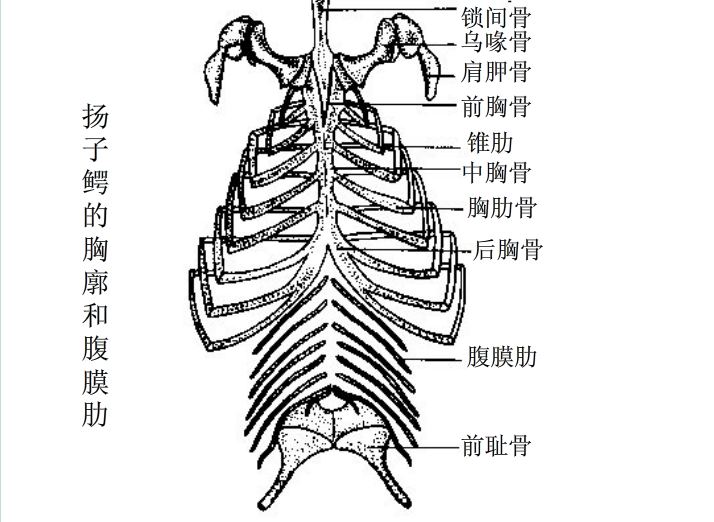
7 Gastralia—腹膜肋(參考了鱷魚的圖片,應該沒錯,用處是附着用於輔助呼吸的肌肉)
8 Chevron—脈弧(位於尾椎椎體腹面的保護其內血管、神經的V形骨。)
11 Furcula—叉骨(V字形或U字形的骨片,見于鳥類和一些獸腳類恐龍中,由兩個鎖骨癒合而成)
12 Sternal rostrum—胸部吻突(這個根本查不到,可能是龍的專有詞,分開來查,得出了這樣一個奇葩的翻譯……)
13 Keel—龍骨突(鳥類胸部的一塊骨板,用於附着飛行肌)
19 Calcanean—跟骨(為七塊跗骨中最大的一塊,位於足後下部,構成踵。)
25 Radius—撓骨(位於前臂大拇指側)
31 Synsacrum—合薦骨(由部分胸椎與腰椎、薦椎和前幾個尾椎癒合而成)
還剩下一個頭骨,明天晚上再找吧……
最后修改: Skyline (2013-05-02 00:49:28)
有 1 位朋友喜欢这篇文章:龍爪翻書
#22772 西方龍解剖略圖(兩張)翻譯,100%完成。 » 2013-05-01 23:46:28
回应:
2 頭部肌肉
2 Depressor mandibulae—下頜降肌(用來使下頜張開,位在頭顱骨後方,連接至副枕突)
5 Mentalis—頦肌(唇下方下巴正中央)
6 Temporalis—顳肌(起自顳窩,肌束如扇形向下會聚,通過顴弓的深面,止於下頜骨的冠突,作用是使下頜骨上提,後部肌束可拉下頜骨向後)
7 Obicularis oculi—眼輪匝肌(圍繞眼睛,構成眼皮,負責閉眼)
8 Obicularis oris—口輪匝肌(位於口唇內,為環形肌)
9 Levator anguli oris—提口角肌(起自上頜骨尖牙窩,止於口部皮膚,口輪匝肌)
10 Levator nasolabialis—鼻唇提肌(位於犬齒肌上方,起自眶下孔背面,止於鼻孔和上唇的外側)
11 zygomaticus—顴肌(附在顴弓上面)
12 Sternohyoideus—胸骨舌骨肌(位於氣管的腹側。扁平帶狀,偏內側一條)
13 Sternocephalicus—胸頭肌(位於頸下部的外側,長帶狀)
15 Parotideoauricularis—腮腺耳甲肌(未找到具體位置)
16 Pulmonary SASS—肺部SASS系統(暫定)
那個‘腮腺耳甲肌’只能確定是有這麼個東西,但是我沒有翻到和它的位置以及功能有關的資料……
聽上去應該是位於臉側面靠近耳朵,可能和耳朵的運動有關。
最后修改: Skyline (2013-05-02 00:40:25)
有 1 位朋友喜欢这篇文章:龍爪翻書
#22773 西方龍解剖略圖(兩張)翻譯,100%完成。 » 2013-05-01 21:13:07
回应:
原來SASS是作者杜撰出來的東東……我昨晚問了一個學生物學的朋友,問他胸肺部有沒有名稱是SASS的肌肉或者組織,或者是哪個的簡寫……然後那貨表示記不得了,我調侃他說是不是4年的東西都還給教授了,然後那貨回了我一句:“我現在做的工作和生物學一毛錢關係都沒有,幹嘛要記得這些。倒是你,鋁鎂合金的最大抗拉和抗壓的強度你還記得麼。”
完敗……
#22774 西方龍解剖略圖(兩張)翻譯,100%完成。 » 2013-05-01 21:07:04

回应:
每張解說都很不錯