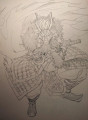
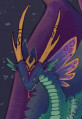
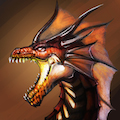
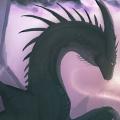
@Paradox 寫道: TF是指transfur啦0 0…廣義上講是轉化…呃…反正人變龍屬於TF就是了_(:3」∠)_…
tf是transformation
transfur是一個網站的名字。。。
好奇一點:基因改造簡單來說,最主要的是DNA,如果改造成其它現有生物到容易,但龍的話要去哪找第一組DNA來用..
(不過基因改造比起用病毒來改造要的安全多,雖然要更多時間,但安全、好控制、不容易當成戰略武器)
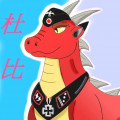
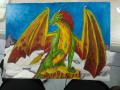
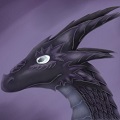
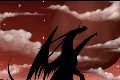
然後 德萊格 就是圖片那隻嘛~~~
形容的一模一樣~~
另外,在歐美,你可以依靠能量治療、通靈、預測、寫書等奇怪的行列來養活一個家庭。
如果人均GDP上了4萬美元大關,我相信中國這種奇怪的行為甚至行業只會多不會少。
說回來,furry這種強行和gay極度沆瀣一氣的風範還真是一朵奇葩了。
有 3 位朋友喜欢这篇文章:feihung1986, Jadescale, Enedina
@霸權MOD 寫道: 所以這種極度世俗文化環境下出otherkin,那難度還是相當大的。
歐美的網絡社交圈子比較強。Otherkin是近代才出現的。Furry假如沒有網絡世界的話是不存在的。
光說furry的內容好了,歐美的。。。口味只有越來越重,只有你想不到做不到的沒有你找不到的。不過也是因為$$$commission$$$的關係催化了furry的濃厚風氣。
另外,在歐美,你可以依靠能量治療、通靈、預測、寫書等奇怪的行列來養活一個家庭。
在東方社會,做這些工作你只會被別人認為你是在搞邪教。
最后修改: feihung1986 (2015-05-26 12:38:26)
[↑] @feihung1986 寫道: 好像都有反差吧。我覺得西方人比東方人在某方面上更迷信,尤其是對“惡魔”、“邪靈”、“負面外星人”這些的梗上很極端。東方人卻比較平衡陰陽這樣的。 我覺得在這樣的環境裡,最重要的是認識更多自己不知道的 …
東方人對於信仰和西方人的最顯著不同是在對信仰的“效用論”上的看法:
(當然,這裡兩分法是錯誤的,姑且用上文的東西分劃吧)
即,東方人(尤其是中國人)對於信仰的效用在於,是否信仰這個東西,具備合理的“回報”,再簡單點說,就是老子信這個東西有多少好處。
這個好處當然是精神上的,即邏輯上是“我信了關公護我,我信了財神生錢,我信了耶穌上天堂”之類的情感,本質上這是一種優越感,而不是寄託。
所以這種極度世俗文化環境下出otherkin,那難度還是相當大的。
有 1 位朋友喜欢这篇文章:feihung1986
當然不是說什麼都東方人差。也許是東方人比較精神性,西方人講究物質上的分析。
看起來從你之後得出的結論,以及我所知道的情況看。
看起來是東方人更偏重物質與世俗才對。
有 1 位朋友喜欢这篇文章:feihung1986
星際種子starseed (沒有中文訊息所以就抄英文了)
http://en.wikipedia.org/wiki/Star_people_(New_Age_belief)
Star people (New Age belief)
From Wikipedia, the free encyclopedia
Star people (also known as starseeds) is a New Age belief and fringe theory introduced by Brad Steiger in his 1976 book "Gods of Aquarius"[1] in which people believe they originated as extraterrestrials and arrived on Earth through birth or as a walk-in to an existing human body. It is a variant of the belief in alien-human hybrids.[2] The term "star people" was taken from an existing Native American spiritual concept.[3] Steiger also used the term as the title of his 1981 book written with his wife Francie.[4]Beliefs[edit]
Steiger described "Star People" in his 1976 book on contactees as "humans who come from a special gene pool linked to visits by extraterrestrials".[5] Dazed noted that "with no definitive text to draw from there are all sorts of web denominations with opposing ideas and philosophies surrounding said alien race – not least over whether to spell Starseed as two words or one."[6]Star people are supposed to share feelings of alienation,[6] isolation or loneliness, and they feel they do not fit in to Earth's institutions and events. In surveys, the Science Channel reports that nearly half reported near-death experience and seventy-five percent had an out-of-body experience.[citation needed] Nearly all of them say they feel tremendous urgency to fulfil a mission.[citation needed] They define themselves as "evolved beings" from another planet, solar system or galaxy who have come to Earth to assist its people to achieve a higher level of civilization and peace.[citation needed] They claim to come into human lifeforms and suffer helplessness and total amnesia concerning their identity, origins and life-purpose.[7][unreliable source?] The awakening process claimed to be experienced[6] is described as either a gradual series of realizations over time, or an abrupt and dramatic awakening of consciousness. Through the awakening process, they regain memories about their past, origins and missions.[citation needed] An increase in intuition, psychic ability, and the sense of a more universal "self" that transcends mortal identity are also commonly reported.[citation needed] Some claim communication via telepathy with unearthly beings, either physical or non-physical.[citation needed] Some believe that life exists on other planets. Most believe they have lived on other planets, and many recount experiences they claim are memories of life on other worlds. The concepts of spaceships, intergalactic travel, psychic phenomena and sentient life forms in other galaxies are common.[8][9][unreliable source?]
Star people are said to be identifiable by certain behavioral and physical traits, such as large eyes.[6]
Washington Post journalist Joel Achenbach interviewed people who said they were starseeds from the Pleiades for his book, "Captured by Aliens: The Search for Life and Truth in a Very Large Universe", and noted the contrast with ufologists: "the starseed are precisely the kind of New Age figures the traditional ufologists can’t stand. Ufologists look outward, toward the universe, for answers to the alien enigma. New Agers look inward."[10]
Proponents[edit]
Advocates of the concept of star people / starseeds include Sheldan Nidle, who founded the Planetary Activation Organization.[6] There is a strong online following.[6] Websites that attempt to track them estimate that 65 percent of those who identify as star people are women.[citation needed]Steiger recounted that Phillip K. Dick had written to him in the late 1970s to say he thought he might be one of the star people, and that his novel VALIS contained related themes.[11][12]
星際種子圈子的宗教味道很濃厚,不好說。
先說明我本人不喜歡通靈的東西。
最后修改: feihung1986 (2015-05-26 12:14:21)
@shiningdracon 寫道: 宗教衝突歸根結底是利益衝突
不完全都是為了利益而衝突,很多時候智商不是一個問題,attitude態度才是問題。有良好的態度,雖然智商不高,但是依然能夠學會很多東西。
有差勁的態度,智商再怎麼高、技術水平再怎麼好也解決不了人與人之間的問題,主要還是因為arrogant傲慢、ignorance忽視和irresponsible不負責任的言辭。
@shiningdracon 寫道: 回到 Otherkin 的話題上。正因為 Furry 屬於娛樂和愛好,並不那麼認真,所以才容易形成比較大的群體。而 Otherkin 各有各的不同,又沒有什麼非要在一起的理由,因此是個鬆散的群體。
furry還是別說了,其實並不能夠是otherkin。
把otherkin聯繫在一起的主要是好奇心。並不是所有的otherkin有很強大的認識欲,因人而異。
東亞地區几乎是沒有otherkin的,極有可能是文化的不同,連我要面子書上開一個中文otherkin都覺得不好意思。
歐美的otherkin比較特出可能是因為那裡的新世紀運動、starseeds星際種子、神秘學和各種靈異領域(paranormal、metaphysics、psychic、astral projection等)的廣大所以自然形成的。
其實要說道前世、輪迴、靈界、外星人等的事情,現在反而是歐美那裡的訊息比較而且也特別多。
@feihung1986 寫道: 誰敢挑起種族宗教信仰的異端,誰才是問題的製造者。
如果不是因為天生存在衝突的基因,又何必定下這種規定呢。
和諧的前提是大家都不要深究教義的衝突,維持表面上的安定。但是誰都明白,不同信仰的人對世界的理解在根本上是不相容的。
每一種宗教都經歷過血與火的洗禮。宗教衝突歸根結底是利益衝突,而種族和信仰都是最容易用來抱團的理由。
偏題了,主題並不是討論宗教的。
回到 Otherkin 的話題上。正因為 Furry 屬於娛樂和愛好,並不那麼認真,所以才容易形成比較大的群體。而 Otherkin 各有各的不同,又沒有什麼非要在一起的理由,因此是個鬆散的群體。
有 3 位朋友喜欢这篇文章:Jadescale, 月影之翼, MorksAllen
@shiningdracon 寫道: 而且,越涉及心靈深處的東西就看得越重,越難達成共識。會產生摩擦和爭執也是當然的了。
在我家的沙撈越,基督教、回教和華人都是一起吃飯的。

分裂是太依賴於物質的而所製造出來的選擇性思維,一個沒有物質偏激性思維的人,或者說其思維不受物質存在所限制的人,自然就能夠活在一塊不製造問題,和種族宗教信仰無關。我說的信仰指的不是單純的物質認知的信仰,而是對某種靈性存在意義的信仰。
不管人類相不相信,靈性靈學本身的存在是靈魂上的,天生的,沒有解決的靈性問題,自然就會反映在個人甚至團體的行為舉止上。在我出生的地方,誰敢挑起種族宗教信仰的異端,誰才會被笑話。
在我參與的那個otherkin圈子,就是有人說了要去某個pegan的活動團體來介紹otherkin的存在的,因為大部分的pagan並不知道很多otherkin在他們圈子裡活動着。
otherkin比較特別的就是vampire和lycanthropy,所以那些吸血族和狼人不只是小說裡的情節。會在一起並不是因為意見有分歧,而是因為無法滿足於人類物質生活,自然就會形成屬於自己的精神圈子。
最后修改: feihung1986 (2015-05-26 10:59:10)
雖然同屬 Otherkin 這個標籤,但種類和種類之間的差異、個體和個體之間的差異相當巨大。
所以 Otherkin 從來沒有形成一個真正意義上的「圈子」。
而且,越涉及心靈深處的東西就看得越重,越難達成共識。會產生摩擦和爭執也是當然的了。
想起這個笑話:
一個人走過海旁,看見另一個人想跳海自殺。
他走上前去勸說「先生,不要跳下去!」
那人問道:「為甚麼?」
他說:「生命是美好的嘛!你是無神論者還是有宗教信仰?」
那人答:「我有宗教信仰。」
「佛教、道教、回教還是基督教?」
「基督教」
「羅馬天主教還是新教?」
「新教」
「我也是新教呢!聖公會還是浸信會?」
「浸信會」
「太好啦!我也是浸信會,你是Baptist Church of God還是Baptist Church of the Lord? 」
「Baptist Church of God. 」
「真是太奇妙啦!我也是,那你是原教旨的Baptist Church of God還是改革派的?」
「改革派的」
「1879年的改革派還是1915年的?」
「1915年的改革派。」
那人朝他屁股一腳把他踢進海裡:「異端!去死吧!」
有 4 位朋友喜欢这篇文章:龍爪翻書, Enedina, 月影之翼, Dragon-555
大概可以總結
排除“巫”的歷史,otherkin是近代的產物。
而且因為網際網絡而變大了。。。
如果要探索otherkin的歷史的話,應該會和“巫”的歷史聯繫在一起。不過貌似很難有什麼可以發現的詳細的蹤跡。
按照我在一樓所說的,我和在某otherkin圈子裡辯論的,otherkin可以分為五種吧。
spiritual otherkin 靈性kin (有靈學靈修動向)
philosophical otherkin 哲學kin (有靈學認識無靈修動向)
psychological otherkin 心理kin (無靈學靈修動向,把科幻和現實細分開來,有哲學但沒有靈學動向的)
furry 獸人、獸向 同樣屬於心理的範疇的,不過不能夠算是otherkin,更接近 otaku科幻動漫遊戲 (無靈學靈修無哲學動向的)
physical otherkin,即therianthropy otherkin,物理kin 像德魯伊那樣會變身的
最后修改: feihung1986 (2015-05-26 08:46:30)
otherkin沒有相關中文訊息,所以我就放英文的吧。
http://en.wikipedia.org/wiki/Otherkin
Otherkin are those who identify as partially or entirely non-human. Some say that they are, in spirit if not in body,[2] not human. This is explained by some members of the otherkin community as possible through reincarnation, having a nonhuman soul, ancestry, or symbolic metaphor.[1] Scholars categorize this identity claim as "religious", because it is largely based on supernatural beliefs.[3]
Description[edit]
Otherkin largely identify as mythical creatures,[4] with others identifying as creatures from fantasy or popular culture. Examples include: angels, demons, dragons, elves, fairies, sprites, aliens,[5][6][7] and cartoon characters.[8] Many otherkin believe in the existence of a multitude of parallel/alternative universes, which would explain the existence and the possibility to relate to fantastical beings and fictional characters.[9]With regards to their online communities, otherkin largely function without formal authority structures, and mostly focus on support and information gathering, often dividing into more specific groups based on kintype.[9] There are occasional offline gatherings, but the otherkin network is an almost entirely online phenomenon.[9]
Some otherkin (such as elvenkin) claim they are allergic to iron (and products of modern technology), whilst other otherkin (such as dragonkin) claim that having no allergies is a sign of being an otherkin.[6] Some otherkin also claim to be especially empathic and attuned to nature.[6] Some claim to be able to shapeshift mentally or astrally—meaning that they experience the sense of being in their particular form while not actually changing physically.[1][10]
The therian and vampire subcultures are related to the otherkin community, and are considered part of it by most otherkin, but are culturally and historically distinct movements of their own despite some overlap in membership.[1]
Etymology[edit]
"Otherkin" as an adjective had been defined in the Middle English Dictionary (1981) as "a different or an additional kind of, other kinds of".[11]The earliest recorded use of the term otherkin, in the context of a subculture, appeared in July 1990 and the variant otherkind was reported as early as April 1990.[1] The word "otherkind" was initially coined from the word "elfinkind", to refer to non-elf others who joined the communities.[12]
History[edit]
The otherkin subculture grew out of the elven online communities of the early-to-mid-1990s.[13]The oldest Internet resource for otherkin is the Elfinkind Digest, a mailing list started in 1990 by a student at the University of Kentucky for "elves and interested observers".[12] Also in the early 1990s, newsgroups such as alt.horror.werewolves[14] and alt.fan.dragons on Usenet, which were initially created for fans of these creatures in the context of fantasy and horror literature and films, also developed followings of individuals who identified as mythological beings.[1][15]
On 6 February 1995, a document titled the "Elven Nation Manifesto" was posted to Usenet, including the groups alt.pagan and alt.magick.[16] On Usenet itself, the document was universally panned and considered to be either a troll or an attempt to frame an innocent party. However, enough people contacted the original author of the Elven Nation post in good faith for a planned mailing list to spin off from it.[13]
Rich Dansky (who worked on the development of Changeling: The Dreaming) said that after the game's release the darkfae-l listserv had "a rampaging debate... over how the folks at White Wolf had gotten so much of their existence right", adding, "Finally, one of the list members came to the obvious conclusion that we'd gotten it right because we ourselves were in fact changelings." Dansky denied being non-human.[6]
Reaction[edit]
Outside viewers may have varying opinions about people who identify as otherkin, ranging from considering them animal-human relationship pioneers, to psychologically dysfunctional.[5] Reactions often range from disbelief to aggressive antagonism, especially online.[17]Otherkin have been called one of the world's most bizarre subcultures,[18] and a religious movement (and a "quasi-religion"[8]) that "in some of its forms, largely only exists on the [Internet]".[19] Although otherkin beliefs deviate from the definition of "religion", they share the primary interest in the paranormal.[8] Religion scholar Joseph P. Laycock argues that the otherkin community serves existential and social functions commonly associated with religion, and regards it as an alternative nomos that sustains alternate ontologies.[3]
It has also been said that they represent a widespread dissatisfaction with the modern world, and that they have taken fairy lore out of its social context.[6]
http://en.wikifur.com/wiki/Otherkin
Otherkin are those who believe that their physical forms do not define or fully encompass their mental states, personality, psychology, or spiritual nature.
First appearing in use on the Internet on April 18, 1990, the word was coined when a member of The Elfinkind Digest, Torin, "got tired of typing elf/dragon/orc/etc.-kin and just used otherkin" as shorthand.[1]Otherkin beliefs[edit]
Otherkin feel they have a sympathetic connection, affinity, or some other form of relation with another animal or being. Traditionally these have been mythological in nature, beginning with fairy and fay folk, elves, and a few other European mythological archetypes. Later, associations with other creatures became common, including unicorns, gryphons, dragons, angelics, and demons; as well as "non-living" types such as golems and other inorganics. In time, some people also began to describe concepts for beings which were derived from mythological archetypes, though having unique qualities; fully undefinable or one-of-a-kind kin types appeared as well.
With the unusual nature of the basic otherkin premises, there has been skepticism directed at it along with the proposal that many people adopt the otherkin identity to justify social difficulties - the outcast syndrome - or because they have a delusion and are in denial about their biological humanity. The idea that otherkin believe they are physically non-human in a spectacular way - such as actually being biological dragons - is seen as a pervasive misunderstanding by otherkin themselves, who point out the spiritual and psychological focus of the concept. Some community members believe this confusion arises from those unfamiliar with the concept or having only a sketchy or distorted awareness; comparing it to psychiatric cases such as lycanthropy and dissociative identity disorder, and concluding that in order for someone to state that they identify as an elf or gryphon, they must be experiencing a form of hallucination or delusion.
Contrary to stereotypes which have been perpetuated, most who identify as otherkin are fully aware of their biology and human existence. Many otherkin do have particular spiritual and metaphysical beliefs, and as part of those beliefs have discussed elements of a proposed spiritual reality which is not to be confused with the material world. Even if a given person believes, for instance, that on a spiritual plane they may have wings, it is uncommon that they are making a claim about such things that is scientific in nature, or that they exist in what most people might consider the real world.
Despite these points, some dislike the otherkin concept on the grounds that they feel it is abused by individuals who wish to present themselves as special and unique without merit, and that making unverifiable spiritual claims is one way to achieve this. Over time, otherkin has proven to be appealing to a number of people for this reason, and those within the community can be rigorous about screening out 'me too' and 'fluffbunny' adopters of the otherkin moniker. Some otherkin themselves do not consider the internet-kin community to have much or any validity, saying that it is easy and tempting for a person to claim almost anything within the realm of online anonymity.
Within the loosely defined otherkin community, online or off, there is no consensus as to just what makes a person otherkin. A variety of phenomena have been observed and theorized about which many feel create some sort of affinity between a person and something else. In this light, some see otherkin as related to concepts such as Totemism, which have appeared in human culture since ancient times. There has also been some debate over how potential factors such as clinical lycanthropy may account for a percentage of the experiences otherkin believe they have had. While many, and some conjecture most, otherkin follow a paradigm of spiritual reincarnation in some form to help explain their state of being, not all otherkin share this, and may view themselves in other spiritual, philosophical, or psychological frameworks. Even among those who believe in reincarnation, there are a wide variety of interpretations.
Another viewpoint is that the term otherkin largely denotes a social network and should not, or can not, be used as a description for individual spiritual beliefs or to describe an particular theory or explanation for phenomenon. Many people use the otherkin community to find discussion for a variety of subjects and to compare subjective experiences without considering themselves to be otherkin in a descriptive sense.History of the community[edit]
Although there are spiritual parallels with shamanism and totemism, the modern otherkin subculture appears to trace its roots back to the counterculture of the 1960s. Hippies and flower children, in particular, were heavily influenced by the fantasy works of J.R.R. Tolkien.[2]
One example of this influence was the rock band Tyrannosaurus Rex, whose drummer took the name Steve Peregrin Took, after a hobbit character from The Lord of the Rings. The short-lived magazine Gandalf's Garden, named after another Tolkien character, described the group's singer-songwriter Marc Bolan as "of elfin descent".[3] Bolan was also frequently referred to as "the Bopping Elf".[4]
Another musician of the time who used similar fantasy imagery was Donovan. In the cover notes to his 1966 LP "Sunshine Superman", he wrote "starring mr. plod in action with a daughter of the evil land of mordor."[5] In the cover notes to his 1967 LP "A Gift from a Flower to a Garden", he wrote "We shall fill their days with fairies and elves and pussys and paints, with laughter and song and the gentle influence of Mother Nature."[6]
And in the underground publication International Times, better known as IT, John Peel advised readers to "go to the children's playground in Kensington Gardens and stare at the elves on the trees there".[7]
The 1970s saw a group calling themselves the Elf Queen's Daughters base themselves in the South Bay area of San Francisco, California.[8] The Elf Queen's Daughters were also linked with Seattle, Washington.[9] They published a newsletter and focused on "bringing together female elves in celebration of ritual and magic and understanding of Fae", according to the Faeid website.[10] In actuality the Elf Queen's Daughters were composed of both male and female elves, although they were Goddess oriented and they referred to all their members as sister.[11] One quote from an anonymous founder of the group indicates similar ecologically-based pagan beliefs to those common in the modern otherkin movement — "the image of the Earth being a woman with trees for her hair, rivers for her veins flowing through. That was one of the first to use the image of earth as a physical Goddess."[12]
According to the Silver Elves, the Elf Queen's Daughters had "given up the path to elfin" around 1977. However, in 2004 they wrote that they had recently encountered one of them, Loriel Lyndoreyn.[13] Another former member, Aeona Silversong, became a priestess in the Church of All Worlds in 1993, while continuing to identify as an elf.[14][12] Furthermore, Circle Network News published an article on the seven-pointed elven star citing the group as late as 1986. The Silver Elves suggest that the Elf Queen's Daughters were adept with magic and the use of the Ouija board.[15]
The Silver Elves are one of the more prominent groups in the modern subculture, mainly because of the Magical Elven Love Letters which they have regularly published for over twenty years. In their published compilation of these letters, they write that at the time they began to write them in 1979, "it had been nearly two years since the Elf Queen's Daughters had forsaken the dharma of the magic letters". This would indicate that the letters of the Silver Elves are a direct descendant of the newsletters released by the Elf Queen's Daughters; furthermore, the Silver Elves themselves profess to have been awakened as elves by that group.
Until the Internet became accessible, the letters were sent out by post and further distributed by their recipients, as well as being printed in various newsletters and magazines. Contact details for the Silver Elves were also listed in pagan books, such as Margot Adler's "Drawing Down The Moon" in 1979 and Laurie Cabot's "Power of the Witch" in 1989.[16][17]
In 1990, R'ykandar Korra'ti founded the Elfinkind Digest, an e-mail-based mailing list for "elves and interested observers".[1] At the time, her signature on Usenet was "Elfinkind Unite!" The next year, in 1991, she posted a subdued announcement to several newsgroups publicizing the Digest for the first time.[18] As of August 2013, more than 2700 digests have been posted, and this otherkin mailing list is generally acknowledged as the first one.[2]
While Korra'ti had expected to find only other elves through her mailing list, she in fact discovered people with "a large number of self-identifications."[19] This was one of the first indications that there were other species identifications out there besides those of elves. The term otherkin was itself coined in the Elfinkind Digest #16 as a result of this fact. [1] There was reportedly some talk of renaming the digest The Otherkind Digest, but this didn't happen. This dichotomy also persists to this day in the name of one of the more popular otherkin mailing lists, elven-realities.
On 6 February 1995, the Elven Nation Manifesto was posted to Usenet.[20] This document was interesting in several ways: firstly, although it included a real name and a postal address, as well as a partial email address, it was posted through the anonymous remailer at anon.penet.fi. Secondly, several of the common themes in the modern otherkin movement are visible in it, such as the concept that elves have something significant to contribute to the world, and mention of the "Veil to the Otherworld", or the invisible boundary between the real world and the magical world of faerie.
Since it was posted to eleven newsgroups, it also violated Usenet's crossposting etiquette, which was far more strictly observed at the time than it is today. On Usenet itself, the document was universally panned and considered to be either a troll or an attempt to frame an innocent party. However, enough people contacted the original author of the Elven Nation post in good faith for a mailing list to spin off from it.[21] At least one person considered it to have played a part in their awakening.[22]
The community first hit the headlines in 2001 when the Village Voice published an article on it. Entitled "Elven Like Me", it drew gentle comparisons with the antiglobalisation movement, and suggested that otherkin were antimodernist.[23]Otherkin in the media[edit]
The otherkin phenomenon has experienced less exposure in general media than subculture venues such as furry fandom, although it has been noted with increasing frequency in Neo-Pagan culture due to crossover of shamanistic and spiritual elements that has brought otherkin to the attention of contemporary pagans.
To date, there has been little formal study or publication of culture and theory relating to otherkin. One of the first reference volumes to deal with the otherkin culture specifically, A Field Guide to Otherkin, by Lupa, was released in April 2007. The book contains the results of surveys distributed throughout the otherkin and therianthropy communities by the author and volunteers.
Otherkin and therianthropy[edit]Otherkin bears no small resemblance to therianthropy, and some people consider them the same thing and use the terms interchangeably. Of these, some might feel there is insufficient difference between the concepts to present them separately, while others might be outsiders who are not familiar with the nuances or history of the ideas and communities surrounding them. However, in tradition to date, otherkin has come to be associated with people who experience an affinity with an animal, creature, or being which might ordinarily be considered mythological, or sometimes entirely unique/alien. In contrast, therianthropy is heavily connected to the affinity for existing, real-world animals which have been observed to live today in nature or to have lived in the past. Typically, someone who identifies with fairies, elves, dragons, gryphons, unicorns, or even angelic or demonic beings might be seen as otherkin. While one who identifies with wolves, foxes, bears, cats big and small, or otters might be seen as a therianthrope. This is not a hard line, however, and you may find animal otherkin and draconic therians, among others.
In some cases, a specific person might consider themselves - if they use a formal term or subculture association at all - a member of either community in spite of their species/entity connection. For example, someone who feels they are a part of the general otherkin community socially might use the term therianthropy to describe the mechanics of their own nature.Otherkin and furry[edit]
Furry fans appear to be generally aware of otherkin and therianthropy. The practices and viewpoints of many furry lifestylers have some similarity to these ideas; because of this, some lifestylers associate with one or both terms. Likewise, while furry fandom in general might not have been formed to explore spiritual connections with animals and other creatures, many otherkin and therianthropes find the content and subject matter of furry appealing because of their own interests. In the opposite direction, many furry fans discover the otherkin community through the fandom and begin to take part in it as well.
A noticeable number of people within the otherkin community are also furry fans in some capacity and frequently attend events such as furry conventions in addition to otherkin-specific social events. The philosophy and spirituality tracks at some conventions have hosted otherkin and therian speakers. Panels and discussions on mythology have also attracted otherkin to participate. Otherkin who are artists have used furry conventions to display their work, and those with an interest in make-up and costuming have attended for masquerade contests and dances.
Some otherkin feel that the furry fandom is a more relaxed atmosphere in which to explore ideas of animal and human relations and hybrids, seeing the fandom's lack of core spiritual doctrines as neutral ground. Due to this, some people decide to leave the general otherkin and therian communities in favor of furry. Furry events are sometimes popular as a meeting place with otherkin who are geographically isolated from kin-specific events.Controversy within furry fandom[edit]
Opinions vary as to whether or not their association with the fandom is positive, negative, or irrelevant. Some people find the association of furry with things beyond its base definition of the appreciation of anthropomorphic animals in art and fiction to be inappropriate, ridiculous, or uncomfortable. Because of this, otherkin and therian connections or intermingling with the fandom have taken on a pejorative tint for such people. Much as furry lifestylers are sometimes disliked, otherkin might be made to feel unwelcome or derided by some furry fans.
A large degree of fandom awareness has been spread not only by contact with otherkin within the fandom, but by the adoption of otherkin as another topic with which to portray elements of Furry in humorous or negative light by websites such as Something Awful and Crush! Yiff! Destroy!. Due to such framing, otherkin has for some people become a generic term to identify furries who feel there is something more to their animal avatar than role-playing. Some also point out that a good deal of otherkin awareness has been spread by sardonic humor, which often singles out individuals with the most outrageous behavior or controversial opinions. As a result there appear to be inaccuracies in the knowledge of many furry fans and nonfurs relating to more moderate members of the otherkin community.
In response, others have said in spite of this confusion, there are those who identify as otherkin while putting forth dubious claims and questionable behavior. Because of the effect of visibility from the crowd, it is often the most over-the-top examples that are seen by outsiders, and thus tend to be associated with the entire fandom, not unlike many of the other problems with publicity that furry fandom has endured over time.Outside otherkin[edit]
Otherkin is a label to describe personal beliefs, experiences, and traits that occur in a variety of combinations depending on the individual. As there is no consensus on what qualifies as otherkin, not everyone who shares similar beliefs feels the term is appropriate or useful for themselves.
Some who might otherwise describe themselves as otherkin downplay or conceal the affiliation. Citing outbreaks of controversy, individuals have confessed reluctance to reveal the extent of their beliefs for fear of losing status or being ostracized by a particular community, to avoid employment difficulties, or relieve pressure from friends and family.Otakukin[edit]
Otakukin (a portmanteau of the terms Otaku and Otherkin) is a term used to refer to those who, like otherkin, believe that their physical forms do not define or fully encompass their mental states, personality, psychology, or spiritual nature, but, unlike most otherkin, view such attributes within an anime-, video game- or manga-centric context. It is often interpreted within anime fandom circles as a term for describing those who have human bodies and the souls of anime or manga characters, and is often severely derided as being to the extreme of "otakudom" (a term for the general Western anime fandom).
The term otakukin was coined by Kinjou Ten, a member of the otherkin community, on his website Temple of the Ota-kin.[24] The terms mediakin[25] and fictionkin[26] also refer to otherkin whose identities reference fictional sources, and are used somewhat more commonly today as a generic term with no connection to japanese media.
最后修改: feihung1986 (2015-05-26 07:53:51)
有 1 位朋友喜欢这篇文章:Dracostar3000
http://zh.wikipedia.org/wiki/%E6%96%B0%E7%95%B0%E6%95%99%E4%B8%BB%E7%BE%A9
新異教主義[編輯]
一場新異教信仰的儀式。
新異教主義(英語:Neopaganism,或稱新異教信仰)是多種新興宗教運動的統稱,這類新信仰主要是與基督教開始盛行以前的非基督宗教有關[1][2]。其中包含了許多不同的思想,包括多神論、泛靈論與二神論等,以及由此衍生而出的各類變形。部分新異教徒所進行的性靈活動純粹是現代產物;而其他的新異教徒,則依照歷史與傳說,試圖精確地重建出原生的宗教,並將其復甦[3]。以數量而言,美國、英國、北歐與烏克蘭等地,是新異教運動最為盛行的地方[4]。而依據新德魯伊信仰、日爾曼異教信仰(Heathenism)、以及斯拉夫異教信仰(Slavianism)而建構出來的威卡教,則是目前最龐大的新異教運動[5]。
相關用語[編輯]
“新異教”(Neopagan,也可指“新異教徒”)主要是用來區分古代文化裡的異教徒,以及現代異教運動的擁護者。新異教包括了一些融合多種信仰的新宗教,例如威卡教、新德魯伊信仰或是新薩滿信仰(Neoshamanism);也包括了某些對應于特定傳統的信仰,例如各種多神論重建主義信仰(polytheistic reconstructionism)[6]。有些重建主義者拒絶被稱做新異教徒,因為他們希望與其他由多種信仰融合而成的宗教有所區隔[7][8]。有些“傳統主義者”(Traditionalist)與“重建主義者”(Reconstructionist)強調他們與民間宗教的關聯性與傳承性;而其他如威卡教或部分新德魯伊信徒,則宣稱源自一些秘密流傳的宗教教義,但其中有許多是假傳說[9]。重建主義者着重於建構歷史上的宗教傳統,且並不宣稱有任何尚未被發現的傳統。
在1964年到1965年間,女巫研究協會(Witchcraft Research Association)的出版刊物裡,開始出現以“異教徒”(Pagan)來稱呼自己的新異教徒。同時期美國與英國的女巫復興人士,也有使用同一個字,但意義與各種新異教運動沒有關聯[10]。
1990年代起,日耳曼新異教運動(Germanic neopaganism)的擁護者,開始以“Heathenism”、“Heathen”或是“Heathenry”來描述自己的信仰[11]。
http://zh.wikipedia.org/wiki/%E7%95%B0%E6%95%99
異教[編輯]
異教,指不同的教。有兩種含義,第一種含義是指a)不同的文化教俗,如“五帝殊禮,三王異教”[1]。第二種含義是指b)站在一種文化教俗的角度稱其他不同的教為異教,即不同的外教。這種含義分三種情況,第一種情況是1)將不同於自己文化教俗的國外的教稱為異教,中國人將不同於中國文化教俗的外國的教稱為異教[2];第二種情況是2)同一個社會的不同思想教派將其他的教稱為異教。第三種情況是3)基于亞伯拉罕系宗教中心觀的專有名詞,音譯為徘艮宗教。廣義上特指非亞伯拉罕系,或非一神教的諸宗教,包括適此定義的現當代新宗教如大本教。稍為狹義則指非亞伯拉罕系諸宗教中的原始宗教形式,特別是充斥着巫,多神,薩滿,民族神話元素的具有代表性的原始宗教如雅茲迪,及由這類宗教派生的現當代新宗教如Ak Jang。最狹義的用法是指歐洲民族,特別是日耳曼,北歐,凱爾特,波羅的,斯拉夫,古希臘羅馬及南歐等民族的非亞伯拉罕系民族原生宗教,及基于這些歐洲原生宗教的現當代新宗教如威卡教,Asatru等。以英語中的習慣為例,亞伯拉罕諸宗教指“別的宗教信徒”的諸名詞,如"Pagans", "Heathens", "Infidels", "Kafirs/Kufar", "Goyim",通常界限較為模糊。甚至有時兩個亞伯拉罕系宗教如基督教與伊斯蘭教,會互相把對方的信徒稱為"Heathens", "Infidels", "Kufar"。 但是"Pagans"通常較為專指非亞伯拉罕系宗教,尤其是歐洲類型者。
異教一詞在一些宗教中被使用。例如佛教稱佛教以外的婆羅門教、耆那教、順世論、道教、基督教、伊斯蘭教等等非佛教的思想流派、宗教都稱為異教或外道。阿育王曾將以萬計的分那婆陀那國的拜偶像外道屠殺,甚至將異教徒全家活活燒死屋中[3];亦曾因佛教僧侶不與外道一起和合說戒,而屠殺了都城內的佛教僧侶[4]。據記載因為此事導致阿育王的老師亦被當是外道屠殺了,於是阿育王后悔了,之後的他也再沒有迫害其它教派的具體記載,相反對婆羅門教和耆那教也予以慷慨捐助。所以後來的人都認為阿育王強調寬容和非暴力主義,稱他在民眾的歡呼聲中統治了長達41年的時間。由於閃米特一神諸教教義對於神學方面的排他性與不妥協性,猶太教、基督教、伊斯蘭教之間互相稱對方為異教徒,而閃米特一神諸教又將所有不信閃米特一神諸教的人在更大規格上稱為異教徒。異教徒受到的歧視和迫害是西方歷史上的現象。
最后修改: feihung1986 (2015-05-26 07:13:15)
神秘學歷史
http://tieba.baidu.com/p/969037557
第一部分:西方神秘學的概論
第一章 神秘學的四大源頭
一,古埃及文明
在歐洲的文化傳統中,北非的古埃及一直被視為一個遙遠而古老的神秘文明,在法國學者商博良(Jean Francois Champollion, 1790-1832)重新解讀古埃及文字之前,大部分的資料都來自于希臘旅行者的記述。
古埃及神話當中最著名的就是太陽神 “拉(Ra)”的家族:拉神生下了風神 “舒(Shu)”與雨神 “泰芙內特(Tehnut)”,他們結為夫妻,生下了大地之神 “蓋布(Geb)” 和蒼天之神 “努特(Nut)”,蓋布與努特的婚姻雖然為拉神所反對,但他們在智慧之神托特 “(Thoth)”的幫助下終於得以結合,並生下 “歐西里斯(Osiris)”, “伊希斯(Isis)”, “塞特(Seth)”和 “納芙提斯(Nephthys)”四個孩子。
其中歐西里斯曾多次死亡再生,之後成為盟界之王,伊希斯被認為智取了拉神的法力,而成為偉大的魔法師,並創建了古埃及的祭司系統。歐西里斯與伊希斯的兒子 “荷魯斯(Horus)”被認為具有偉大的魔力, “荷魯斯之眼”也常被用在埃及的魔法儀式當中。圓特神發明了象形文字,在後來也被認為是占卜與醫藥之神。
除了代表抽象理念的天神之外,埃及大部分的神詆都是以動物形象出現,或是使用人身加上動物頭的象徽,例如靈魂的護送者 “阿努比斯(Anubis)”就是以狼頭人身的形象出現;古埃及另一個很重要的特色是非常重視來生,包括〈〈死者之書〉〉和木乃伊的製作等等,都是為了在死後的世界可以過得更好。
傳說中的拉神,舒神,蓋布神,歐西里斯及荷魯斯都曾為古埃及的統治者,後來的 “法老王(Pharaohs)”則為他們的後代,具有半神半人的特性;傳說中祭司系統由伊希斯所創建,是法老王統治最主要的助手,具有強大的法力,史官系統則是承繼托特神的法力,負責記錄歷史也精通占卜之術。
到新王國時期古埃及開始接受希臘的留學生,他們就把許多神化和學術思想帶回到歐洲,因此被視為是西方神秘學最古老的源頭。古埃及文化在羅馬帝國征服之後漸漸失去了獨立性,而融入可希臘——羅馬的文化圈,許多神秘學的理論就次失傳了。二,希伯來文明
古希伯來人是中東地區閃族的一支,早期為居住在沙漠的遊牧民族,由於四出征戰,旅行,被俘等坎坷的過程,吸收了一部分埃及人,酥美人,加爾底亞人,腓尼基人和巴比倫人的文化,並漸漸發展出自己的宗教文化系統。希伯來人信仰的猶太教,是西方傳統中第一個 “神教”;唯一的真神祇有一個,是他創造了世界,同時也是希伯來人的守護神。更特別的是猶太教的上帝沒有形象,在法律當中更最崇拜偶像。
希伯來文明關於世界起源的說明,認為是上帝創造了世界,並造人來統領萬物,由於上帝在第六天中創造了世界,並在第七天休息,因此猶太教訂立了工作六天休息一天的律法,也成為周歷制重要的文化源頭。但是後來因為人類本身的墮落(Fall)而帶著原罪(Sin)離開了樂土伊甸園(Eden)。之後男人就需要努力工作才能溫飽,女人更要受懷胎十月及生育之苦。
在希伯來文明發展的過程當中,摩西(Moses)帶領希伯來人離開埃及是一個關鍵事件;傳說摩西原是埃及宮中的一名祭司,後來因受到上帝的感召而去決定帶領希伯來人反抗埃及的統治,離開埃及去尋找上帝而去尋找上帝的應許之地 “迦南”,在曠野流浪四十多年的過程當中,摩西在 “西奈山”上與上帝訂約,領受了上帝交付的 “十戒”成為猶太教律法的核心,之後摩西及其後繼者也成為祭司系統的主軸。
希伯來文化最重要的遺產是希伯來《聖經》。現傳的希伯來《聖經》共計三十九卷,一般分為四大部分:第一部分分為法律(Torah),又稱為 “摩西五經”,傳說中是來自于天啟的智慧,包括了創世以來所有的秘密:第二部分是歷史書,記錄了希伯來人進入迦南之後的歷史發展;第三部分是先知書,記錄希伯來人亡國之後的各種經歷;第四部分是文集,是希伯來人智慧文學的經典。這些部分也構成後來基督宗教的《舊約聖經》希伯來人歷史當中最英明偉大的君主為大衛王,不但在軍事及政治上獲得了空前的勝利,同時也改革了當時的祭司制度,繼位者所羅門王在耶路撒冷的錫安山上建立起著名的 “尤太聖殿”,作為存放 “約櫃”和進行禮拜儀式的場所,也成為後來希伯來人信仰的中心,同時留下許多與聖殿有關的各種傳說。
除了一神教外,希伯來文明也留下了許多關於天使與天階體系的理論,並由啟示文學當中發展出明顯的 “未世論”,指出了世界的未來必定由猶太人得到勝利,成為被上帝被救贖的對象。由希伯來文明中發展出的 “喀巴拉”也成為後來影響密契主義與魔法學的主要學說。三,希臘羅馬文化
希臘文化的發展大約是在西元前兩年就開始,歷經了邁諾安及邁錫尼時期,荷蘭史詩時期,城邦時期古典時期,在亞里山大統一希臘而進入希臘化時代之前,由於多變的地形與城邦政治的影響,開啟了多元的思想體系,在西方文化上可以說是“人文主義”的首次發揚, 後世關於“科學”與“哲學”的許多觀念,都是有希臘開始的,他們重視現世的概念也與古埃及文化形成強烈的對比。
希臘的神話當中,最著名的就屬奧林帕斯的12位大神,當中統治天界的宙斯權力最大,但性格風流,常常到處留情;赫拉為宙斯的太太,是婚姻的保護者;海王波塞頓是宙斯的兄弟,掌管所有的海洋;冥王哈迪斯也是宙斯的兄弟,掌管死後的世界又稱為地府財神;智慧女神雅典娜是宙斯的女兒,為都市文明的保護者;太陽神阿波羅是宙斯的兒子,是光明、音樂與藝術的守護神。
月神阿緹米斯是阿波羅的雙胞胎妹妹,為森林與未婚少女的保護者;愛神阿芙羅黛蒂也是宙斯所生,主管愛、美與婚姻;阿波羅的弟弟赫密斯擔任諸神的使者,也是商業與竊盜的守護神;戰神阿瑞斯是紛亂與鬥爭的代表;赫絲西雅是宙斯的妹妹,主管爐灶與家庭;火神赫發斯特斯十分愛好和平,也是工匠與鐵器的守護神。
雖然希臘的人文精神豐富,但是也非常重視“神諭”,最有名的為德爾菲地區的阿波羅神殿,神諭是阿波羅藉由女祭司之口說出,代表了神的意志,據說非常的靈驗,但有時候會以詩歌方式表達,所以給人摸棱兩可的感覺。
希臘文化到羅馬文化的過程當中,神話系統並沒有太多改變,但是整體上更偏向實用性,現代占星學所使用的行星名稱,大多都是古代天神的羅馬名字,各種思想也漸趨成熟與實用,例如占星、數字、煉金術等等在這個時候都已經建立了實用的體系。四、基督宗教
基督宗教可以說是羅馬帝國中期之後,歐洲最主要的精神支柱,主導歐洲知識與文化發展長達千年之久。基督宗教的起源傳說是來自于基督的降生和復活,對當時的猶太教提出了新的詮釋,隨後由於保羅的傳佈
跨出猶太人的社群,在羅馬帝國當中成為普世的宗教。
一開始基督宗教在羅馬帝國當中是屬於被迫害的少數教團,然而隨着信徒的增加及康士坦丁大帝改信基督宗教,在西元四世紀時基督宗教演變成為官方宗教,並開始打丅壓其他宗教。隨着基督宗教的擴張,羅馬天主教會發展出全世界最大、最複雜的教階系統,後來雖然經歷了羅馬帝國的分裂及西羅馬帝國的瓦解,但堅
實的教會系統已經以獨立於政治組織之外運作,甚至在某個層面取代了政治組織,各種基督宗教的儀式深入人民的生活,在中古世紀的歐洲動亂當中漸漸成為知識與靈性的權威,也使中古歐洲成為追求靈性的世界。
基督宗教在成為官方宗教的過程當中,也由多次大公會議決議選出二十七部‘正典’,組成聖經的‘新約’部分,作為延續‘舊約’信仰的依據。一般分類會把新約分成五大部分:第一個部分是福音書,由四個不同的作者記述耶穌基督傳教的過程:第二個部分為使徒行傳,記述初期教會的發展過程:第三部分是保羅書信,為保羅寫給當時教會或教友的書信集:第四部分是一般書信,則為其他信仰文書的選集:第五部分是啟示錄,說明末世來到的異象。
由於受到希臘-羅馬文化的影響,基督宗教的‘神學理論’明顯多於猶太教,但由於傳承了猶太教當中‘唯一真神’的理念,在對其他宗教的態度上就比較不寬容,甚至對於同宗教的‘異端’也會加以討伐,以維持‘正統’的神學觀,這也是基督宗教常被認為違反宗教及言丅論自由的地方。第二章 神秘學的歷史傳承
一 宗教神秘學的傳承
在西方神秘學當中,傳承最清楚可以明辯的就是宗教上的密契主義。例如猶太教密契主義中的咯巴拉,留下可許多密契主義的經驗和文獻;創設天主教耶酥會的聖依納爵(St.Ignatius of Loyola,1491-1556),設計了一套鍛鍊精神力量的 “神操(Spiritual Exereicse)” ;聖母聖衣會的聖女大德蘭(St. Teresa,1515-1585)和聖十字若望(St. John of the Cross,1542-1591),留下許多祈禱的神秘經驗記錄。這些都屬於 宗教性的密契傳統,而這些傳統累積下來的方法,也成為西方密契傳統最重要的源流。
另一方面,由神學研究當中也有部分神秘學的傳統,他們的表達是象徵式的,與後來神秘學研究者的方式十分接近,例如託名狄奧尼修斯(Dionysius)所著的《神秘論(De Divinis Nominibus)》,《神秘神學(De Mysticathecologia)》,都是世界密契主義重要的參考文獻,當中有把早期猶太教與諾斯替派的天使學理論重新整理,成為西方主流的天使學理論。在秘傳心理的部分,由於基督宗教非常重視肉體之外的精神與靈魂,所以有許多關於這方面的研究,也成為現代秘傳心理研究的重要基礎。在秘術 方面,天主教會一直有其特殊的趕鬼儀式及靈性治療的放大,以神秘學的眼光來看都可以視為白魔法的一種;只是基督宗教的信徒並不如此認為,他們將這種 “醫病趕鬼” 的時間當成 “神蹟”,並把原因歸終對於上帝的信心。而保留在宗教上最多的是關於 “解夢”的異能,猶太教的《聖經》當中有許多關於解夢的故事,猶太教本身也相信夢境的真實性及啟示性,連帶影響到後來基督宗教對於夢的態度,夢境也常被會當成上帝或天時傳遞訊息的場合。二、傳統秘術的再興
由12世紀開始,經歷了十字軍東征及地中海航運的開通,漸漸在南歐造就了一群有錢的商人,進而引導未來文藝復興的發生,在經濟上他們獨
立於傳統的莊園經濟之外,在文化上他們重新閲讀了希臘羅馬留下來的典籍,因此發展了某種獨立於羅馬天主教會之外的獨特思想體系,可以視為思想解放的先驅。
另一方面,由於知識的累積與實用目的,許多古代的秘術重新被研究及使用,其中比較明顯的例如占星學與天文學為大學必修的課目之一(中古後期大學必修的包括三法——文法、修辭學、辯證法、及四藝——算數、音樂、幾何、天文),再經院哲學的幫助之下重新與羅馬天主教結合:
煉金術的發展在靈性治療之外帶動了醫藥的進步,非屬宗教性的學說漸漸能發揮主導性的影響力,各種占卜系統也在此蓬勃發展。
接下來在神秘學家的努力之下,各種不同理論相互激蕩影響,而融合成一套新的秘術傳統:這套秘術的傳統結合了占星學、煉金術和喀巴拉的對應體系,為宇宙與人類的關係提供了另一種解釋的可能,再以此延伸出許多預測學與魔法學的應用工具,突破了羅馬天主教在靈性知識上的權威,也間接影響到後來的宗教改革。三、科學與神秘學分道揚鑣
現代許多被認為是“科學”的學科,在中古世紀之前其實都被認為是神秘學,或者說只是依附在神秘學之下發展:例如天文學只是占星學的一小部分、化學與製藥技術被歸類于煉金術的一支、數學與邏輯是神秘教派的教義、醫學與治療則是來自于神職人員的信仰力量。
在某個方面來說,神秘學打破了羅馬天主教在知識上的獨占解釋權,是啟蒙時代主流的理性力量,也開啟了現代西方科學發展的可能性;在另一方面,在科學革命之後西方科學漸漸站穩了腳步,反過來批評神秘學為一種不科學的迷信,在爭奪知識解釋典範(Paradigm)的過程,神秘學在思想圈的主流當中漸漸落居下風。
即使在哲學上康德(Immanuel Kant,1724-1804),黑格爾(Georg Wilhe
lm F.Hegel,1770-1831)一派把重視精神世界的“唯心論”哲學發揚光大,但是在整個歐洲知識界的主流已經被現代西方科學所佔據,目光焦點集中在物質世界的研究,這個時候神秘學研究者只能忍受外界異樣的眼光,在自己的領域當中默默耕耘,也漸漸成為隱秘的地下組織。四、新時代運動與中古神秘學的復興
到了20世紀中葉,由於對於唯物主義科學的不滿,西方世界展開了一連串的反思與改革,希望能突破傳統宗教與科學的限制,恢復靈性的傳統,有人統稱之為新時代運動或者人類潛能運動,由於交通便利及文化交流的關係,新時代運動當中運用了很多東方的思想,例如佛教與道教的系統就常常被提到,但是因為文化背景接近的關係,中古末期蓬勃發展的神秘學傳統,在這個時候又再度被重視。
人們以靈性的角度重新檢視這些神秘學理論,並賦予新的意義和解釋,其中最明顯的先驅就是“神智學會”的各種學說以及“容格心理學”,他們以較現實的術語說明古代流傳的各種神秘學理論,讓人覺得比較沒有距離感,在文化上也用相同的源流和熟悉感,很快在知識界傳佈開來。此外,新時代運動者也常在神秘學理論當中找尋心靈、健康、環保等工作的論據,進一步使得各種神秘學理論開始出現在主流媒體上。
各種古代秘術也在這個時候被重新提倡,例如占星學結合了心理學與生涯規劃的功能,擺脫了傳統宿命論的刻板印象;手相和塔羅牌等占卜技術也開始廣為流傳;各種另類魔法也是取材自傳統的秘術,芳香療法、水晶寶石療法、色彩療法更是大行其道:雖然很多人在說明時不免加上一些“科學的論述方式,但是本質上仍然是屬於神秘學的。第三章、神秘學的架構
一、神秘學的基本範疇
基本上所有與神秘學有關的學說,大概可以分成兩大部分:密契主義和秘術主義。密契主義通常是處理個人靈性修持的部分,有些研究者將密契主義分為宗教的與泛神論的,有人則將它分為內向型與外向型來討論,不過大部分的神秘學家都認為這是西方神秘學當中最基本不可少的元素,也許我們可以把密契主義視為西方神秘學的“內功心法”,如果沒有這方面的鍛鍊,那麼再多的“招數”也無法發揮出真正的功能。
秘術的傳承則比較複雜,但若是我們以秘術處理的主題來區分,則可以分成四個主要的部分:
1、宇宙論——瞭解萬事萬物的原理。
2、秘傳心理——瞭解人類本身的狀況。
3、預測學——在行為上驅吉避凶。
4、魔法學——想辦法改變世界。
我們可以看到前面兩項(宇宙論及秘傳心理)是屬於比較理論性的探討,
也是比較屬於“為什麼”的解釋;而後面兩項(預測學與魔法學)是屬於比較
實用性的技術,也是比較屬於“怎麼做”的方法,若是沒有前面兩項的堅實基
礎,就沒有辦法研究出後面兩項的實用技術,只是現在人大多比較求速成,所
以常常只想使用預測學及魔法學,但是不太願意花時間研究宇宙論及秘傳心理
,因此在技術的精進上就很容易遭到瓶頸,碰到問題也不知道該怎麼解決。二、密契主義
有些宗教學者把密契主義視為一種純粹宗教的行為,不過在西方神秘學當中也有很多非宗教的“密契經驗”,所以我們不應該把密契主義限制在宗教的範圍當中討論。
一般來說我們把“密契經驗”界定為:“個體超越了自我,與無限我或宇宙我合而為一”的經驗,就宗教心理學的分析,這種密契經驗具有四種共同的特性:1.不可言語(Ineffability),只有當事人可以體悟; 2.知悟性(Noetic Quality),可以得到關於真理的洞見與啟示;3.傾現性(Transiency),通常密契經驗無法維持很久;4.被動性(Passivity).一但密契經驗開始即脫離了本人的控制。
就神秘學研究者來說,密契經驗是非常重要的“體驗”,密契主義不帶有任何實用的目的,或者我們也可以說密契經驗本身就是目的,它是一種內在靈性的提升,幫助我們達到“開悟”的狀態。在西方神秘學當中,天主教與揂太教都有非常豐富的密契主義傳統,其中喀巴拉(Kabbalah)的方法是近代神秘學界流傳最廣、影響裡最大的。三.宇宙論(Cosmology)
宇宙論的部分可以分成兩個主要的部分;一部分是關於宇宙演化的理論認為,宇宙演化(Evolution)帶有精神性的(SDpirituzal)目標,意圖朝向更美好大世界發展,人類在這個原化過程當中扮演了重要的參與者。
現代神秘學家常用大年(Great Year)理論來說明人類歷史的發展;地球除了自轉與公轉之外,地球的自轉軸還會旋轉偏移而產生春分點歲差的狀況,春分點燒行天球一周的時間約25920年,被稱為一個大年,而春分點經過一個星座的時間平均約2160年,被稱為一個大月(Great Month),新時代運動所稱的水瓶世紀(Aquarian Age),即來自于這個占星學的理論。
另一方面,神秘學家普遍認為可見的世界只是更高世界的反映,因此所有的事物都帶有其精神性。
若是以現有實體精神性的層次,我們可以依照性質分成四層世界礦物世界、植物世界、動物世界及人類世界,這四層世界彼此之間緊密相連同時有層次分明。四.秘傳心理(Esoteric Psychology)
秘傳心理處理的不限於心理的層面,而對於人類的身、心、靈作整體的描述和分析。以人體的功能來說,神秘當中大多遵循大宇宙與小宇宙對應的模式來處理,也同意天體之外心靈可以分為各種不同的層次,現在台灣比較熟悉的“脈輪”理論其實是印度的體系,直到近代神智學會成立後才漸漸加入到西方的體系當中。西方比較通行的理論是將人的存在分成五個主要層次,可以被看見及觸摸到的為肉體(Physical Body),是我們在這個世界生存發展所必要的基礎。在看不見的部分在區分為四大部分,乙太體(Etheric Body)與生命的等源及形體有關、星靈體(Astral Body)與情緒狀態及意志力有關,心智體(Meantal Body)與理性和抽象思考能力有關,精神體(Spiritual Body)則是與個人的靈體狀態有關,沒一層次都有不同的屬性。另一方面,西方神秘學中很早就有投胎(Reincarnatinon)的說法,也相信因果業力(Karma)的作用,所以人誕生之初並不是一張白紙,每個人都帶有不同的性質及天賦,也面對到不同的課題及挑戰,因此若能更加瞭解自己,並努力精進修行,就可以在此生中有最大的收穫,同時也會對宇宙整體的演化作出貢獻。
五.預測學(Divination)
預測學是西方神秘學比較為人知的部分,几乎所有學習神秘學的人都會一種以上的預測學,但是因為每種預測學都基於不同的學理或傳統。所以一般來說每個人只會選擇少數幾種學習。預測學最重要的目的是使我們瞭解事物的真實狀況,如此我們就可以作出正確的選擇及行動,依照不同的性質我們可以把預測學分成以下四類:
第一類是以現在的外在客觀秩序進行預測,例如占星學(Astrology)是以天空當中實際的星象進行預測;手相(Palmistry)則是一個人手掌的狀況進行預測;而靈數學(Numerology)是以數字的對應及規律進行預測。第二類是利用特定工具依照某種規則進行的占卜。例如塔羅牌(Tarot)是以紙牌作為工具進行預測;靈擺(Dowsing)則是以擺垂或卜杖進行預測。
六,魔法學(Magic)
魔法學是引起大家好奇與誤解的部分,很多人以為“魔法”代表的是“無所不能”,其實這是錯誤的。整體而言,魔法學是以神秘學的方法造成“改變”的手段,想要使用魔法就必須要有密契主義,宇宙學,秘傳心理學和預測學等各方面的基礎,再加上適當的方法才能有效。至于能夠造成多大的改變,則視各人的修為而定,並不是每個人施行相同的魔法都會有一定效果。
西方神秘學當中通常會去區分白魔法和黑魔法。兩者最大的分別並不在於施法的內容,而是在於動機與動力。(PS:我個人非常不讚同這樣區分 因為按照動機區分沒什麼意義 應該按照知識體系來區分)在動機上,白魔法是以順應自然與宇宙演化的的方式施行,黑魔法則是相反自然與宇宙演化的方向,所以若為眾生利益而施行魔法者可以歸類為白魔法,若為一己之利私而施行魔法者則為黑魔法。在動力上,白魔法是以愛與慈悲為動力,而黑魔法是以恨與恐懼為動力,所以心中充滿愛的人無法施行黑魔法,心中充滿恨的人則無法實行白魔法。
現代常見的魔法學應用的主要方法為儀式魔法(Ritual .Magic)及符咒學(Talisman),還有許多另類療法也被稱為白魔法的範圍,例如屬於植物性的有芳香療法(Aromatherapy)和花精療法(Flower Remedies),屬於礦物性的有水晶寶石療法(Crystal&Gem Healing),及以光為媒介的色彩療法(Color Therapy)。第四章 神秘學的性質
一. 神秘學的目的西方神秘學的終極目標,在個人方面比較傾向‘密契主義’,秘術則是達成這個目標的手段,但是除了個人‘開悟’的追求之外,集體的目標則是要參與‘宇宙演化’;為了達成與宇宙一同演化的目的,學習神秘學的人就有四點需要去實踐。
1. 對於宇宙及各種人事物有正確的認識;所以學習神秘學的人都需要研究宇宙論與密傳心理。
2. 淨化自立的心靈,是之體悟與馴服與宇宙演化的原則:這個部分就需要在密契主義上不斷修煉精進。
3. 使自己的行為與宇宙演化一致:當遇到在行為上不確定之時可以用預測作為決策的參考。
4. 改變外在的現象以符合宇宙演化的道路:這時候魔法學就是最主要的工具。所以學習神秘學的人應該可以從這當中找到自己的目標和人生定位,去過更有意義的生活,同時保持身,心,靈的平衡,達到健康喜樂的目的值得注意的是,神秘學並不是一種宗教,也不必然與宗教相衝突,任何宗教信仰的人都可以研究神秘學。如前所述,密契主義有很大一部分的源頭是宗教,而所有宗教當中也都有密契的傳統,至于不同宗教對於秘術主義的解釋和態度差異性比較大,封閉性越強的宗教對於秘術主義就會越排斥。
二.神秘學的隱秘性
若是以文字方面的分析,不論是密契主義或是秘術主義都帶有隱秘性,密契主義(Mysticism)的字根是mystic,代表了不為人知或無法被人瞭解的東西;秘術主義(Occultism)的字根是occulт,代表了被隱藏次來的部分。為什麼搞神秘學的人都要這麼神神秘秘的呢?難道這些東西真的那麼見不得人麼?
其實我們應該回到中代歐洲的環境,那是能讀書識字的人原本就是少數,到了中古世紀整個知識界又籠罩在基督宗教的氛圍當中,這時候一些與‘正統教義’不合的想法,很自然就會被打壓,甚至以‘異教’或‘異端’的名義加以討伐或消滅,在這種情況下擁有這些‘另類’知識的人,自然就要把這些想法隱藏起來,以免招來殺身之禍,否則就會如早期研究魔法的布魯諾(Giordano Brunuo,1548-1600),以異端的罪名被教會燒死在火刑架上:即使宗教上有某些密契經驗被羅馬教會所接受,仍然有許多的禁忌和限制。
另一方面,這些神秘知識的力量十分強大,若是有居心不良的人所使用,恐怕會造成非常大的災難,這也是為什麼早期的神秘學團體都很重視人才的選擇,除了有‘天分’之外,品行的考核也很重要,甚至會有一大堆的‘入會儀規’和‘誓約’來限制入門者的行為,以免這些力量強大的神秘知識被人給濫用了。這些限制都增加了給外界的神秘印象,許多不切實際的傳說也就隨之流傳開來。三 神秘學的範圍
其實神秘學的界限是不斷後退的,因為這些隱秘的知識正不斷地被公開宣揚和教育。以中古世紀的歐洲來說,讀書識字就屬於神秘學的範疇,但是現在教育普及之後,這也就不是什麼神秘的事情。有許多曾被視為神秘學的知識,現在也都被視為科學知識甚至‘常識’來看待。
舉例而言,在中古世紀的歐洲‘天體運行’一是被視為神秘學的核心部分,不論是天體運行的規律,天體運行的現象紀錄或天體運行的預測,都是普通人完全碰不到的‘神秘知識’,季節的變化與農業的活動則完全依賴經驗,一般人只知道這是有規律的,但是卻很難有個確定的依據,也不可能知道為什麼,時至今日,每個人都可以查看閲歷,瞭解季節變化的道理,甚至上網路去查閲各個天體運行的位置,這時天體運行就完全不神秘了。所以就某個面向而言,當一件事情被當成‘一般知識’,可以公開被教育與流傳之後,就會慢慢失去神秘的性質,所以也有人說,科學的邊界就是神秘學的起點,帶領我們去探索更多的未知:但是神秘學和現代西方科學還是有極大的不同點,特別是在西方經歷科學革命之後,這種差異就更明顯地被突顯出來。
現代西方科學的論據建立在感官可以觀察到的資料,也就是西方哲學當中的‘經驗論’,對於人類感官之外的部分是無法進行研究的。但是神秘學的研究則比較基于‘觀念論’,包含了感官經驗無法觀察到的部分,所以下面我們就要來談一談神秘學的方法。四.神秘學的方法
基本上神秘學研究者相信世界是一個整體,每一個部分都和其它的部分相關聯,並沒有任何的人,事,物可以孤立於其他事物之外,因此所有的人,事,物都要放到整體的系統和脈絡當中,才可以看到真實的原貌,這與某些科學家‘在實驗時當中控制其他因素不變’的研究方式有很大差異。
同時,神秘學的研究也很重視親身的實踐和體驗。肅然神秘學也有很多的理論,但是若沒有親身的實踐,是無法瞭解它真正的意思,所以在神秘學當中‘知道’一個理論只是最初步,為有親身‘體驗’才能‘學會’一件事情,所以在這個層面上神秘學是很務實的。
另一方面,神秘學的研究需要抽象思考及解讀象徵的能力,由於神秘學的研究涉及到感觀世界以外的事務,所以常常只能用很抽象的方式去敘述,這個時候對於抽象概念的掌握和理解能力就十分重要,有些時候甚至會因為理解的內容太過抽象,只好以象徵的方式來呈現,所以學習神秘學的人都需要具有解讀象徵的能力。
神秘學最有特色的部分,其實是直觀(Initiation)的認識方法。所謂的‘直觀’是指去除一切外在感官經驗與理性推論的過程,直接由精神世界得到啟悟的方法,這在以感官經驗為基礎的現代西方科學當中很難理解,卻是神秘學當中很重要的部分,很多事情對於神秘學家來說就是‘很自然地就突然明白了’。
神秘學
http://zh.wikipedia.org/wiki/%E7%A5%9E%E7%A7%98%E5%AD%A6
神秘學(英語:Occultism,Mysticism,Occult Studies)
指超自然的形而上學,亦即有關神秘力量的學問。
指研究“秘密知識”或是“隱瞞起來的知識”的學問。
對於大多數神秘學家來說,神秘學則指的是形而上學,無法使用邏輯推理或現有物質科學來理解的知識。其主要研究傳統宗教信仰、玄學、占卜、巫術、修煉和打坐等形而上學知識,還有許多人試圖尋找在目前的宗教和哲學教條以外的世界觀。神秘學家與宗教家或宗教學家的區別在於神秘學者往往抱持開放的思維去接觸、包容、吸納各種不同思想流派;而宗教家的研究可能只侷限于自身宗教信仰之內;宗教學家則可能置身于宗教思想之外來研究宗教,前兩者則是置身其中。
與神秘學相對的是“可見的學問”或“可以測量的學問”,即科學。有時神秘學這個詞的使用不很精確。它往往被理解為“只有一定的人才能知道的學問”或“必須保密的學問”。有些人,尤其是保守的基督徒,將神秘學這個詞賦予了貶義,以此來貶低他們出於宗教信仰而反對的行為。比如玩角色扮演遊戲或聽重金屬音樂。有時新教徒認為天主教本身也持神秘學行為。至于玩角色扮演遊戲、聽重金屬音樂或讀《哈利波特》小說,由於實際上沒有任何隱蔽的或神秘的知識和學問,所以與神秘學毫不相關。
神秘學的歷史源頭[編輯]
一般認為,西方神秘學有四大源頭:古埃及、希伯來、希臘羅馬和基督宗教,各個傳統都有不同的特點。古埃及文明是西方神秘學中最古老的源頭,在後期的羅馬帝國征服之中,漸漸失去了獨立性,進入了希臘與羅馬的文化之中,因此許多理論都被失傳,而大部分資料都來源於希臘旅行者的記錄。到現代,古埃及在現代的西方神秘學中,最為有代表性的就是儀式魔法時常用的“何魯斯(Horus)之眼”,塔羅,煉金術等。
希伯來文明本是中東地區的一支,因戰爭,旅行而吸收了一部分加爾底亞人、蘇美人、埃及人、巴比倫人和腓尼基人的文化,而他們信仰的猶太教,建立了最初的“一神論”,也從中發展出神秘學中極具影響力的教派之一 ——卡巴拉(Kabalah)。
希臘文明造就了神秘學的核心思想,神秘哲學、占星、靈數,從中誕生。
基督教文明則是歐洲的精神支柱,主導整個歐洲文化千年乃至今之久,一直都是古歐洲成為追求靈性的世界。
神秘學的流派[編輯]
大眾所瞭解的有:赫耳墨斯主義(Hermeticism)
諾斯替派(Gnosticism)
卡巴拉(Kabbalah)
薔薇十字會(Rosicrucuans)
煉金術(Alchemy)
黃金黎明(Golden Dawn)
共濟會(Freemasonry)
東方神殿
蘇黎世協會
神秘學的分類[編輯]
神秘學可分為四大部分:宇宙論,秘傳心理,預測學,魔法學宇宙論(Cosmology)[編輯]
探討物質世界的結構,來源 以及地球變化,以下是神秘學探討的領域:礦石世界
植物世界
動物世界
人類世界
密傳心理(Esoteric Psychology)[編輯]
比現代心理學的“身”,“心”外更多的去探討“靈”,理論由亞里士多德“形而上學”而來。 神秘學中把人分為四大層面:層面 分支 呈現方式 掌管能力
精神層面 靈魂 直覺
心智層面 頭腦/神智 理智/思想
以太層面 以太體 基本模式 生長藍圖
情緒體 脈輪 影響情緒
理智體 黃色光 判斷/思考
星靈體 精細結構 出體經驗
以太模板 高頻以太 能量治療
精妙體 純靈性 和諧能量
因果體 前世記憶
肉體層面 物質 五感
(以太層面由美國靈媒Barbara.Ann.Brennan整理)預測學(Divination)[編輯]
常見的可分為3類術數類,例:占星,靈數等
道具類,例:塔羅,靈擺,靈應板等
自身能力類,例:靈視,通靈等
魔法學(Magic)[編輯]
魔法分類方法:(每樣只舉兩個例子)按形式類型劃分:[編輯]
接觸魔法/傳染性魔法(Contiguous Magic)
代替魔法,人偶魔法(Imitative Magic)等
按反應效果劃分:[編輯]
防衛性魔法(Defensive Magic)
混沌魔法(Chaos Magic)等
占卜類道具衍生魔法:[編輯]
盧恩魔法(Rune Magic)
塔羅魔法(Tarat Magic)等
按派別,國家劃分:[編輯]
以諾派魔法(Enochian Magic)
剛加蘇丹國魔法(Ganga)等
按照動機劃分:[編輯]
黑魔法(black magic)
白魔法(white magic)
灰魔法(gray magic)等
非輔助(直接)治療類:[編輯]
靈性治療(Spiritual Healing):[編輯]
精神力療法 空間轉自我狀態調節
遠程療法
雙手能量療法
極化療法
[神入療法]等
能量治療(Energy Medicine)[編輯]
原理:八大能量系統中國的奇經八脈
印度的脈輪
氣場
凱爾特爾
基礎網格
五行
三焦
經絡
輔助治療類:[編輯]
礦物治療
色彩治療
佐藥治療
芳香治療
信仰治療
動物磁性治療等
神秘學的主要能力劃分[編輯]
ESP(extra sensory perception) 超感官知覺能力,簡稱就是常人所說的超能力。前面加一個G ,就是General extra sensory perception(GESP)。例如:
遙視Clairvoyance
星體投射Astral-Projection (OOBE)
觸物感知Psychometry
心靈感應/讀心術Telepathic receiver
靈媒medium
道具類的占卜方法,及自身能力占卜法。
預知Precognition
PK (Psychokinesis)念力 就是Psycho-心裡,kinesis就是受外界刺激引發的不隨意運動,合起來Psychokinesis(PK)就是念力的意思,是精神體對物質層面的影響,這一個過程就是pk。常見能力:
心靈感應
心靈遙感
靈動
通靈治療
心靈傳輸
最后修改: feihung1986 (2015-05-26 06:52:08)
最近在面子書上加入了一個otherkin圈子,英文的。
剛剛進去一兩天就和裡面的人吵架了,而且還因為我的關係發現了一個troll(滋事者)趕出去。。。
大概意識到了otherkin和furry最大的差別
furry比較多是roleplay和fantasy的東西,大概就是不是那麼認真地為自己的非人類取向辯護的那種類型
otherkin就是會對自己的kin身份表示十分專一
然而在我這個加入的otherkin群子了發現,原來kin與kin之間的摩擦可以那麼大,就是每個的kin的概念都可以差別很大,甚至有些kin霸會特別喜歡“糾正”其他kin的認識的這樣一個情況
在我捲入的那個辯論裡,說的是otherkin分類。那時候我只是說說我個人看法,沒想到居然會引火燒身。。。
什麼otherkin的分類?
分為
1)spiritual otherkin 靈性kin
2)psychological otherkin 心理kin - 指的是認為otherkin只是一種心理的作用
3)physical otherkin 物理kin = therian - 指的是有些otherkin會變身的這樣一種類型
最讓我無法接受的事情就是 psychological otherkin 居然會對spiritual otherkin進行攻擊,說好尊重別人的觀點,卻暗中插刀的那種類型,令人討厭
關於physical otherkin,我後來直接說了,那其實是spiritual otherkin,物理變身是不可能的,那是一種靈異領域不是物理物質領域。。。therianthropy 指的是會變成動物的人類
反正就是讓我覺得亂亂的就是了,我不認為自己開了什麼眼界的。
好吧,為什麼用了一堆英文字,也是因為otherkin沒有中文字,我發明用“異類”這個詞的
therianthropy指的是那些可以變身的otherkin,有些人把vampirism(吸血族)從therianthropy裡分離出來
不要告訴我vampire沒有這回事,他們自身的存在就是證明,他們確實是嗜血的,新鮮的血
好吧,辯論就到此完畢,不過嗨喲一件事情就是,在spiritual otherkin裡,我才發現原來不少都進入到了pagan圈子裡去。
什麼是pagan?中文翻譯是在難聽極了,什麼異“教啊”,太難聽了。
其實這也說明了東方人對靈學上的認識其實很狹隘。。。(也許是時代的變遷,“巫”其實在華夏文明出現過很多東西,後來沒有像西方那樣反覆興起)
pagan對我的感覺是“信仰“泛神論,或者多神論這樣的靈學靈性方向。什麼是泛神論?就是認為萬物皆有靈那樣,然後繁衍出wicca(巫術、威卡)這樣的靈學。在東方世界裡,几乎好像沒有所謂的泛神論,而就算是東方的玄學和巫術裡,都只是屬於多神論那種,我想這也是為什麼東方的靈學那麼狹隘。
為什麼很多spiritual otherkin會跑到pagan去?就是因為pagan的泛神論和wicca這些元素比較符合他們的靈性取向。
由於現在科學的崛起,要說,一般西方人會以metaphysics來歸類西方靈學和現代科學的結合體。metaphysics在中文裡叫做形而上學、玄學,但是東方一說到玄學就和科學差太遠了,要說的話,還是靈學比較接近metaphysics,但靈學指的是spiritual。
中文的用詞方面就是那麼困難。”形而上學“雖然說的是“無形之形”的這樣一個概念,但也許也是因為東方學裡缺少了什麼吧。
最明顯的分別就是,東方圈子裡,otherkin是沒有規範的。而因為沒有這種歸類,所以東方的spiritual otherkin都會被掃入東方宗教的潮流下,不是被奴化成“護法”就是被崇拜成“神靈”。
在西方,otherkin是otherkin(異類),spirit guide是spirit guide(護法),deity是deity(神靈),是不一樣的東西。
我本身是無神論(Atheism)和泛神論(Pantheism)之間,不相信有什麼可以左右人類的神靈,只有都是朋友和敵人的靈性存有(spiritual being)。
在那個辯論裡,我後來自己總結了spiritual otherkin可以分為psychic(神通) otherkin和philosophic(哲學) otherkin,至于psychological otherkin我完全沒有興趣。還有就是furry,不過這個和那場糾紛無關。
為什麼要這麼分類?因為不是所有的otherkin都是靈性的,也就是他們說的psychological otherkin。
為什麼有philosophical otherkin?因為在spiritual otherkin裡,分為有靈修和存粹個人信仰無靈修的靈性otherkin。
不止在psychological和spiritual otherkin裡有分裂,連spiritual和philosophical otherkin也會吵架。
到頭來只有furry最強大。
Philosophy哲學和religion宗教其實都是信仰。
我個人覺得東方只有玄學和神學,沒有靈學,而且東方人的玄學很難和科學結合在一起,尤其是物質方面的。
當然不是說什麼都東方人差。也許是東方人比較精神性,西方人講究物質上的分析。
這是我個人的看法。後面我加了一些補腦訊息。
最后修改: feihung1986 (2015-05-27 19:59:49)
有 4 位朋友喜欢这篇文章:ken1882, Dracostar3000, Jadescale, Itz_Vara
為什麼我不能註冊啊 ?
@ 寫道: 希望樓主能繼續下去!
嗯,我會的!!
不過因為時間的關係,我還是得到假日才能打能po。
畢竟目前我化為人型時還是學生啊。
後面一半的設定很棒!w【科技感十足呢w】
萊格的介紹可以用出三分之二點五了。
再此再次po他的介紹。
姓名:德萊格
性別:男
身高:人型172cm,龍型3.44m到17.2m之間
體重:人型64kg,龍型13mt到65mt之間
年紀:17
生日:1月3日
外表:(改造前:人型)只有頭髮尾端有染金髮的即腰黑長髮馬尾(用厚橡皮筋綁在脖子附近的頭髮)的黑瞳少年,皮膚還算白嫩,體格正常。雖然因為太常被欺負的關係而有很多地方瘀青,但原本就算是美少年的他的外表卻不會因此而受到影響。被改造後其人型沒變,但胸前卻裝上了類似寶石模樣的無製注藥進改器(也就是調整器,全名為:全自動無限製造和注射藥物的肉體進化與基因改造器、附贈心臟急救和補助器),這個東西只有遇到基改事件或知道他是龍的人才看得到(因為有虛擬影像的功能)。
(改造後:龍型)原本就已經很軟的頭髮頓時變得更多更長,顏色變成血紅色,但是其尾端的頭髮還是金色的。體格變得異常健美,甚至還能繼續變得更加強壯。長著非常尖銳的鱗片,一個不小心便會被割傷,顏色外綠內金(所以下巴到腹部的鱗片為金色,其他地方為翡翠綠)。尾巴和翅膀的長度是身高的兩倍,尾端有突刺。眼睛變成黃眼白和紅眼瞳的龍眼。龍頭類似短吻鱷,有長著長長的兩對珍珠色的硬角。無逆鱗。背上有四個專門灌入培養液的圓形閘門。胸膛那裡的似寶石機械(調整器)大小不變,但一灌入培養液後會變大一倍。
個性:遇到薩冷前個性都偏向冷淡,幾乎不太會看別人眼色;遇到薩冷後,其個性完全變得很樂觀(也有點會亂想)。但聽到薩冷自殺之後變成了行屍走肉(因此而熬過種種實驗)。胸前寶石壞掉時會狂爆化(也可以說成「狂戰士化」)。可能還有其他部分但不明。
特殊能力:預知(以預知夢的形態)、聆聽心聲(或稱心電感應,改造前只能在專注於一人時才聽得到)。
後面為被改造後擁有:控制自身肌肉強度和發達程度、可撕開一切的爪子跟利牙、和強力的五感能力(包括夜視和光嚐就知道材料等)與治癒能力(包括肉體超再生和解萬毒。別人光是喝一點點血便能痊癒,當胸前的寶石(調整器)壞掉時就沒有該能力了),還有飛行能力、噴火。
家世背景:世界最大的德姓富豪集團的富二代,第二繼承者。
喜好:和薩冷在一起、玩樂。
改造後:喜歡吃生肉和得到力量、以及被灌入培養液[※註],灌入時會發出吟嘯聲。其他部分和狗類似。
討厭:薩冷受到傷害,以及別人被欺負。不太喜歡自己被當成貴族般看待(雖然本身就算是貴族)。
附註:德萊格音似日文的龍,因此綽號都和龍有關聯。
※註:該培養液有點類似毒品或禁藥,灌入開始後不隻身上露出許多血管,還會有肌肉更發達、力量暴增和出現幸福感等等情況,而且是[完全]沒有副作用的問題。但該液體對一般人而言沒有任何效果,只對被改造的龍所特有的基因發生反應,而且沒有副效果不代表不會造成死亡(會刺激過頭、承受不了負荷而當場暴斃、當場吐血。但對萊格來說沒有這問題)。同時也是萊格的弱點之一。
有 1 位朋友喜欢这篇文章:龍爪翻書
留名留名(表示最喜歡那個上床的番外/w\好萌
加油~我的文也開始更新了!
堅持下去就很好了!
心得之後會補....
希望樓主能繼續下去!